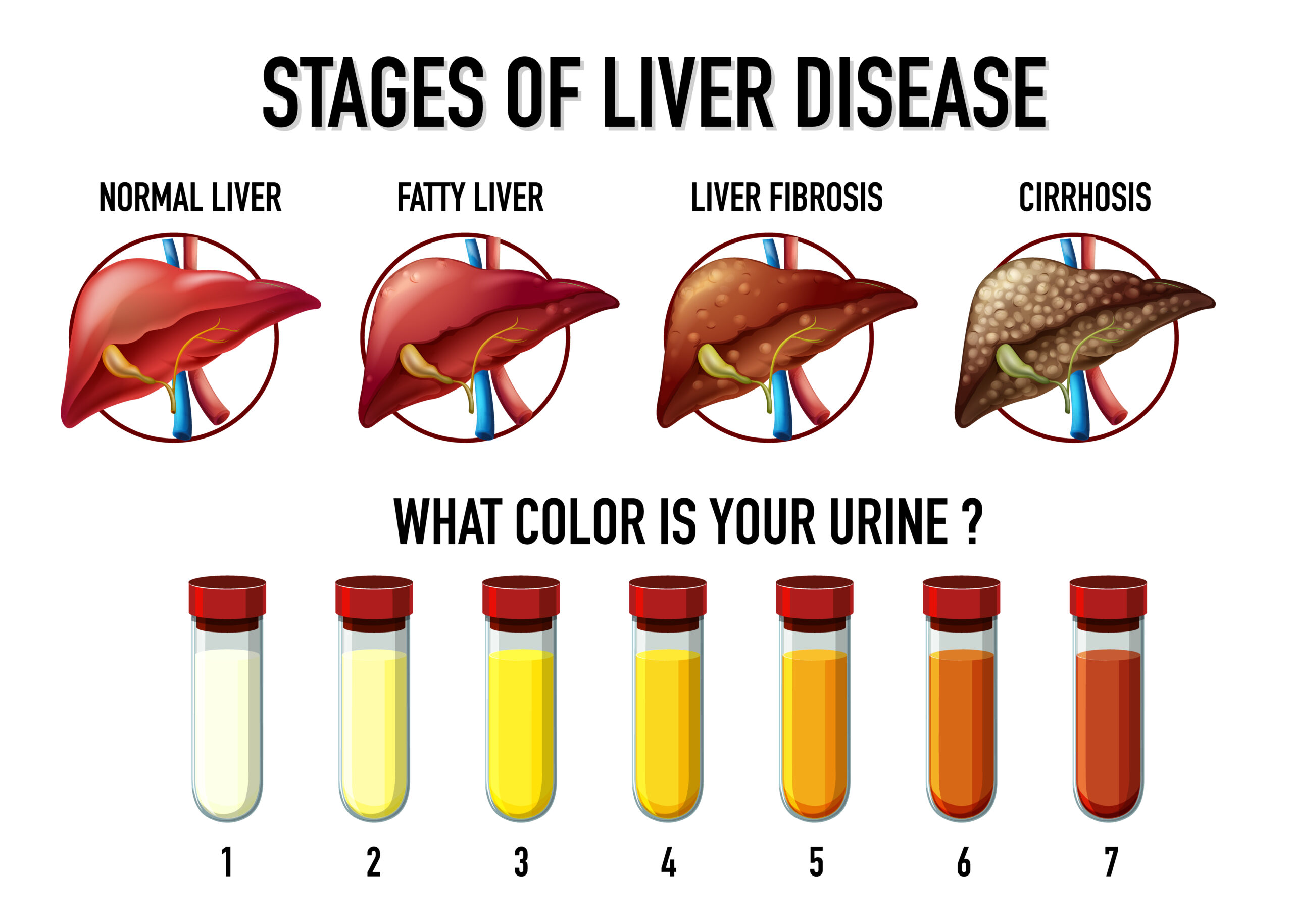
Fatty liver disease, also known as hepatic steatosis, is a condition characterized by the accumulation of excess fat in the liver. While early stages can often be managed with lifestyle changes and medical intervention, advanced stages, such as Stage 4 fatty liver disease, pose significant health risks and have a substantial impact on life expectancy.
⚠️ Understanding Fatty Liver Disease
Fatty liver disease can be classified into two primary types:
⭐ Non-Alcoholic Fatty Liver Disease (NAFLD)
🥗 Not related to alcohol and commonly linked to obesity, diabetes, and metabolic syndrome
⭐ Alcoholic Fatty Liver Disease (AFLD)
🍺 Caused by excessive alcohol intake
📊 Stages of Fatty Liver Disease
⭐ Stage 1: Simple Steatosis
Fat accumulation without inflammation or damage
⭐ Stage 2: NASH (Non-Alcoholic Steatohepatitis)
Fat buildup with inflammation and liver cell damage
⭐ Stage 3: Fibrosis
Formation of scar tissue due to ongoing inflammation
⭐ Stage 4: Cirrhosis
Severe scarring that affects liver function
🚨 What Is Stage 4 Fatty Liver Disease?
Stage 4 fatty liver disease, also known as cirrhosis, is the most advanced and serious stage.
👉 At this stage:
⭐ The liver is heavily scarred
⭐ Normal liver function is disrupted
⭐ Risk of liver failure increases
👉 Cirrhosis can become life-threatening and may require a liver transplant
⚠️ Symptoms of Stage 4 Fatty Liver
Common Warning Signs
⭐ Fatigue and weakness
⭐ Jaundice (yellowing of skin and eyes)
⭐ Easy bruising and bleeding
⭐ Swelling in abdomen and legs
⭐ Itchy skin
⭐ Confusion and memory issues (hepatic encephalopathy)
⭐ Gastrointestinal bleeding
⭐ Weight loss and muscle wasting
⏳ Life Expectancy with Stage 4 Fatty Liver
Life expectancy varies depending on several factors, including severity and treatment.
⭐ Factors That Affect Survival
⭐ Severity of cirrhosis
⭐ Presence of complications
⭐ Overall health condition
⭐ Effectiveness of treatment
⚠️ Possible Complications
⭐ Liver failure
⭐ Portal hypertension
⭐ Internal bleeding (varices)
⭐ Ascites (fluid buildup)
⭐ Brain function issues
📊 Prognosis and Survival Rates
⭐ Compensated Cirrhosis
⭐ Liver still performs basic functions
⭐ 5-year survival rate: 80% to 90%
⭐ Decompensated Cirrhosis
⭐ Liver function severely impaired
⭐ 5-year survival rate: 30% to 50%
⭐ Liver Transplant
⭐ Best option in severe cases
⭐ 5-year survival rate: 70% to 80%
💪 Management and Treatment
Managing Stage 4 fatty liver focuses on improving liver function and preventing complications
🥗 Lifestyle Changes
⭐ Healthy balanced diet
⭐ Weight management
⭐ Regular physical activity
⭐ Avoid alcohol completely
💊 Medical Treatment
⭐ Medications to control symptoms
⭐ Treatment of underlying conditions
⭐ Prevention of complications
🩺 Regular Monitoring
⭐ Routine liver tests
⭐ Doctor check-ups
⭐ Early detection of complications
🏥 Liver Transplant
⭐ Life-saving option in severe cases
⭐ Improves survival and quality of life
🌿 Support Your Liver Health
Even in advanced stages, supporting your liver is important
🏆 Conclusion
Stage 4 fatty liver disease (cirrhosis) is a serious condition with a major impact on life expectancy.
⭐ Key Takeaways
⭐ Advanced liver damage requires immediate attention
⭐ Survival depends on complications and treatment
⭐ Early management improves outcomes
⭐ Liver transplant can significantly increase life expectancy
💡 Bottom Line
👉 While Stage 4 fatty liver is severe, proper care and medical support can improve both lifespan and quality of life
⭐ Stay consistent with treatment
⭐ Monitor your health regularly
⭐ Take proactive steps for liver support