Fat Burning Foods: The Science-Backed Guide to Boost Metabolism and Lose Weight
✨ Introduction
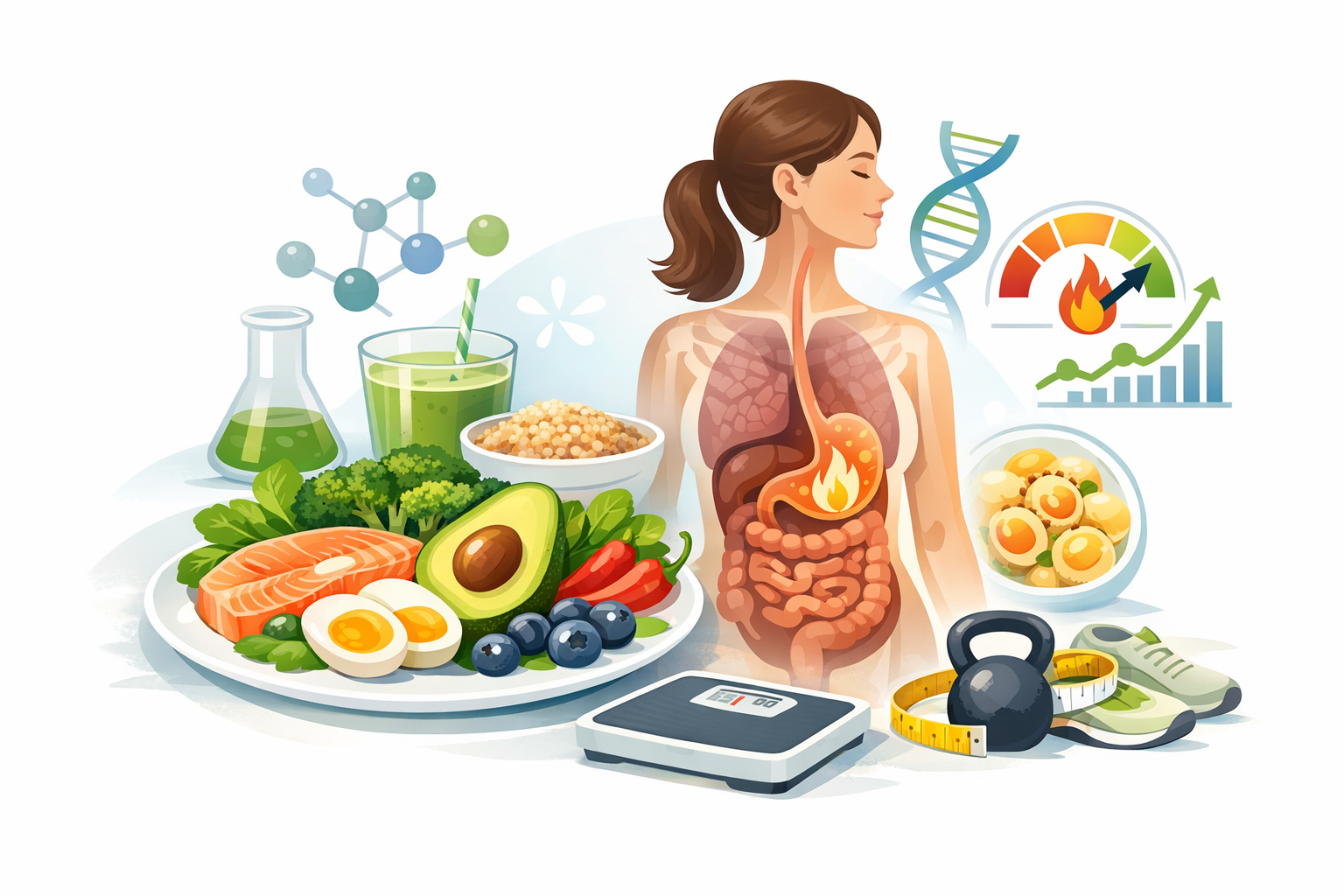
Fat Burning Foods are not magic bullets, but they can meaningfully support weight loss by boosting thermogenesis, steadying blood sugar, and increasing fullness so you naturally eat fewer calories. When you consistently build meals around nutrient-dense, minimally processed options, your body expends a little more energy digesting them, experiences fewer cravings, and maintains a healthier metabolic profile.
👉 This guide explains how Fat Burning Foods work, which ones to prioritize, and how to use them in simple, delicious ways that fit real life.
💡 Many people also combine these foods with 👉 natural fat burning supplements to enhance results alongside proper diet and lifestyle.
🔥 How Fat Burning Foods Work
⭐ Thermogenesis and the thermic effect of food
Some foods slightly raise the number of calories you burn during digestion. Protein, for instance, has the highest thermic effect compared with carbs and fats, meaning your body uses more energy to break it down. High-fiber foods and certain spices may also provide a mild thermogenic bump.
⭐ Satiety, appetite control, and fewer cravings
Foods rich in protein, fiber, and water content help you feel fuller for longer. That satiety can reduce grazing and late-night snacking, making it easier to maintain a calorie deficit without feeling deprived.
⭐ Hormonal and metabolic balance
Stable blood sugar and insulin levels support fat loss by reducing energy crashes and reactive hunger. Balanced meals built from whole foods limit refined carbs and added sugars, helping you avoid the roller coaster that leads to overeating.
🥗 Top Fat Burning Foods by Category
⭐ Protein powerhouses
Protein is the backbone of any fat-loss plate. It curbs appetite, preserves lean muscle during a calorie deficit, and delivers a higher thermic effect.
👉 Eggs: Complete protein with vitamins like B12 and choline; versatile for breakfast, lunch, or snacks.
👉 Greek yogurt and cottage cheese: High protein and calcium; choose plain, unsweetened options.
👉 Lean poultry and meat: Chicken breast, turkey, lean beef, and pork tenderloin supply iron and B vitamins.
👉 Seafood: Salmon, sardines, tuna, and shrimp offer protein plus omega-3 fats for heart and metabolic health.
👉 Plant proteins: Lentils, beans, edamame, tofu, and tempeh deliver fiber and micronutrients alongside protein.
⭐ Fiber-rich carbohydrates
Fiber slows digestion, stabilizes blood sugar, and increases fullness. Choosing intact, minimally processed carbs makes a measurable difference.
👉 Vegetables: Leafy greens, broccoli, cauliflower, peppers, zucchini, mushrooms, and asparagus are low-calorie, high-volume staples.
👉 Whole fruits: Berries, apples, pears, and citrus support satiety; their fiber and water help regulate appetite.
👉 Whole grains: Oats, quinoa, farro, brown rice, and barley provide slow-release energy and essential minerals.
👉 Legumes: Chickpeas, black beans, and lentils are fiber standouts that also pack plant protein.
⭐ Healthy fats
Dietary fat does not inherently make you gain fat; in fact, it can help you feel satisfied and control portions when used mindfully.
👉 Avocado: Rich in monounsaturated fat and fiber for lasting fullness.
👉 Nuts and seeds: Almonds, walnuts, pistachios, chia, flax, and pumpkin seeds provide crunch, protein, and minerals.
👉 Olive oil: A staple in Mediterranean eating patterns linked to metabolic and heart benefits.
👉 Fatty fish: Salmon, mackerel, and sardines combine protein with omega-3s for inflammation and satiety support.
⭐ Spices and condiments
Spices can subtly elevate thermogenesis and make lean meals more exciting, which improves long-term adherence.
👉 Chili peppers and cayenne: Contain capsaicin, studied for mild thermogenic effects and appetite regulation.
👉 Ginger and cinnamon: May aid glycemic control and add natural sweetness or warmth without sugar.
👉 Garlic, turmeric, and black pepper: Flavor boosters that help you rely less on heavy sauces.
👉 Vinegar and citrus: Bright acidity enhances taste and may help blunt post-meal glucose spikes.
⭐ Beverages that boost burn
What you drink can support your fat-loss plan by adding minimal calories while assisting focus, appetite control, and performance.
👉 Green tea: Provides catechins like EGCG and moderate caffeine; a popular, low-calorie metabolic ally.
👉 Black coffee: Caffeine can enhance alertness and workout performance; avoid sugary add-ins.
👉 Water and sparkling water: Adequate hydration aids appetite regulation and training output.
👉 Protein shakes: A convenient way to meet protein targets with controlled calories.
🍽️ How to Build Meals with Fat Burning Foods
⭐ The plate formula
👉 Half plate nonstarchy vegetables for volume and fiber
👉 Quarter plate lean protein to raise thermogenesis and fullness
👉 Quarter plate whole-food carbs for steady energy
👉 1–2 thumb-size portions of healthy fats for satisfaction and flavor
⭐ Sample 1-day meal plan
👉 Breakfast: Greek yogurt parfait with berries, chia seeds, and a sprinkle of oats; coffee or green tea.
👉 Snack: Apple with 1–2 tablespoons of almond butter.
👉 Lunch: Grilled chicken salad with mixed greens, cherry tomatoes, cucumbers, avocado, olive oil, and lemon; sparkling water.
👉 Snack: Cottage cheese with sliced pineapple and cinnamon, or a protein shake.
👉 Dinner: Baked salmon with quinoa and roasted broccoli; side salad with vinegar-based dressing.
👉 Evening option: Herbal tea; if hungry, raw veggies with hummus.
⚡ Practical Tips to Add Fat Burning Foods to Your Routine
⭐ Smart shopping and prep
👉 Make a short list: Protein sources, 2–3 whole grains, 4–6 vegetables, 2–3 fruits, and a few healthy fats.
👉 Batch-cook protein: Grill or roast chicken, tofu, or lean beef on Sunday to anchor quick weekday meals.
👉 Pre-chop vegetables: Store in clear containers so they are the first thing you see.
👉 Flavor toolkit: Keep spices, vinegars, mustard, hot sauce, citrus, and fresh herbs on hand for low-calorie taste.
⭐ Dining out without derailing progress
👉 Scan menus for protein-forward plates like grilled fish, chicken, tofu bowls, or steak salads.
👉 Ask for dressings and sauces on the side; choose olive oil, salsa, or vinegar-based options.
👉 Swap fries for salad or veggies; add an extra protein serving if portions are small.
👉 Drink water or unsweetened tea; avoid sugary beverages and large alcoholic drinks.
🚫 Common mistakes to avoid
👉 Relying on ultra-processed “diet” snacks: They are often low in fiber and protein and may stoke cravings.
👉 Overpouring healthy fats: Nuts, seeds, and oils are calorie-dense; use measured portions.
👉 Under-eating protein: Aim for a protein source at each meal and snack to feel full and maintain muscle.
👉 Skipping produce: Vegetables and fruits add volume for fewer calories, making a deficit sustainable.
📋 Best Choices List: Quick Reference
👉 Proteins: Eggs, Greek yogurt, cottage cheese, chicken breast, turkey, salmon, tuna, tofu, tempeh, lentils.
👉 Vegetables: Leafy greens, broccoli, cauliflower, peppers, mushrooms, asparagus, cabbage, tomatoes, zucchini.
👉 Fruits: Berries, apples, pears, oranges, grapefruit, kiwi.
👉 Carbs: Oats, quinoa, brown rice, farro, barley, beans, chickpeas.
👉 Fats: Avocado, olive oil, almonds, walnuts, chia, flax, pumpkin seeds, fatty fish.
👉 Spices and extras: Chili flakes, cayenne, ginger, cinnamon, turmeric, black pepper, vinegar, lemon, lime.
👉 Beverages: Green tea, black coffee, water, sparkling water, protein shakes (low sugar).
❓ FAQs about Fat Burning Foods
⭐ Are Fat Burning Foods enough to lose weight on their own?
No food can bypass the basics of energy balance. However, building meals around these foods makes a calorie deficit easier by curbing hunger and reducing overeating.
⭐ Do I need to count calories?
It helps some people, but it is not the only way. You can use the plate method, emphasize protein and fiber, and watch portion sizes to guide intake more intuitively.
⭐ How much protein should I aim for?
Many active adults target roughly 0.7–1.0 grams per pound of goal body weight per day, spread across meals. Adjust for your size, goals, and dietary preferences.
⭐ What about cheat meals?
Think balance, not extremes. Enjoy favorite foods mindfully and return to your routine next meal. Consistency beats perfection.
🧠 Conclusion
Fat Burning Foods make weight loss simpler by boosting fullness, stabilizing blood sugar, and slightly increasing caloric burn during digestion. Focus on lean proteins, fiber-rich produce and whole grains, healthy fats in measured portions, strategic spices, and low-calorie beverages.
👉 Combine these choices with regular movement, quality sleep, and stress management, and you will create a sustainable path to fat loss and better health—no fads required.
🔥 To further support your journey, you can explore 👉 science-backed weight loss support options alongside these habits

Vishal Verma
Vishal Verma is a health blogger and founder of NutriActive.org. He specializes in topics like fatty liver, weight loss, nutrition, and natural remedies. His goal is to provide simple, research-based health information to help people improve their lifestyle and overall well-being.