High Protein Diet Benefits: What Science Says and How to Get Them Every Day
Introduction
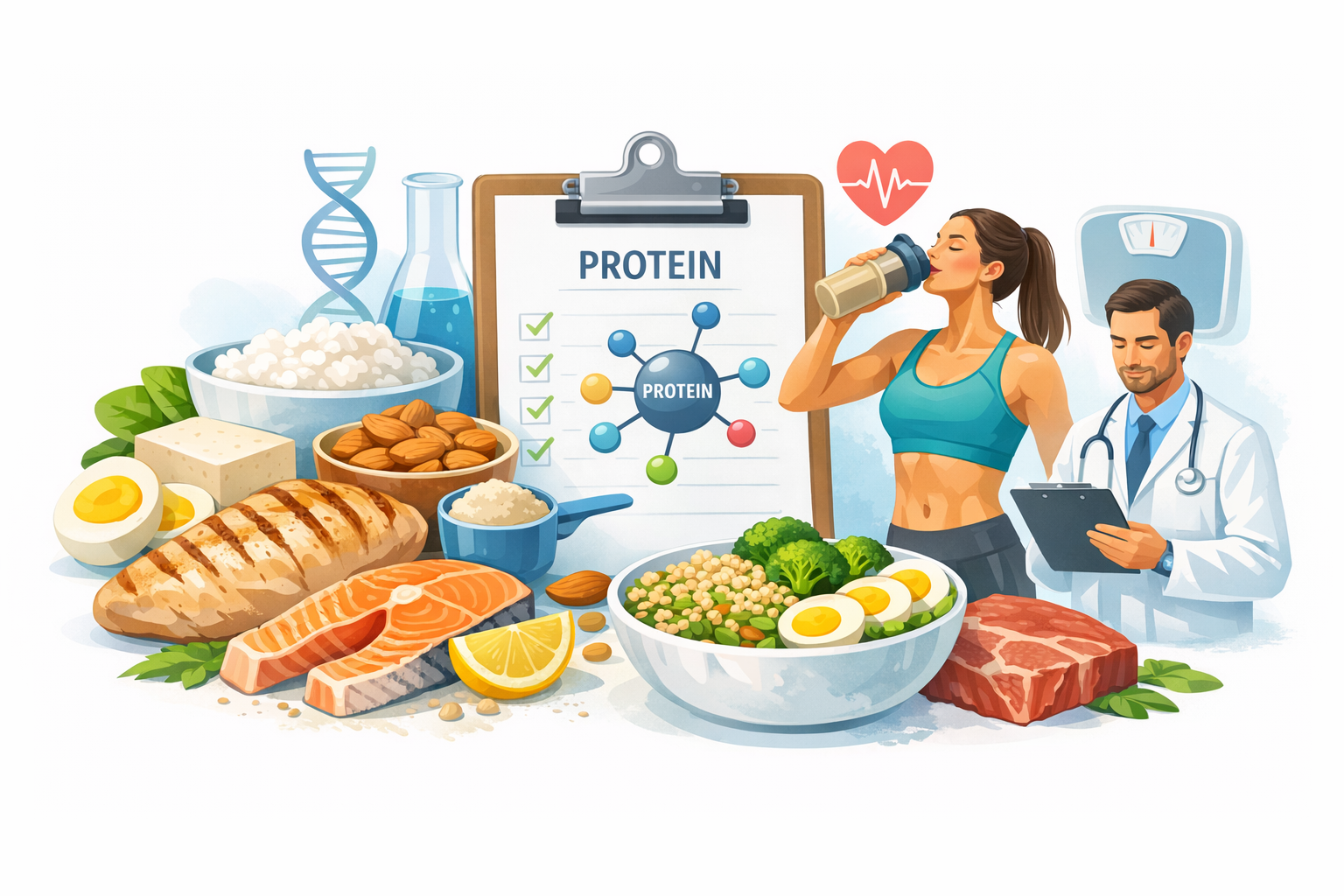
High Protein Diet Benefits extend well beyond building muscle. From reducing cravings and supporting weight management to stabilizing blood sugar and preserving bone and metabolic health, prioritizing protein can elevate how you feel, perform, and age. This guide explains the science behind High Protein Diet Benefits, the right amount for your goals, the best foods to choose, and simple daily strategies to put it all into practice.
What Are the High Protein Diet Benefits?
Appetite Control and Satiety
Protein is the most satiating macronutrient. Compared with equal calories from carbs or fat, higher protein increases fullness hormones, slows stomach emptying, and reduces hunger, helping you naturally eat fewer calories without feeling deprived. This makes a high-protein pattern especially helpful for reducing snacking and late-night cravings.
Weight Management and Body Composition
One of the standout High Protein Diet Benefits is improved body composition. When combined with a modest calorie deficit and regular resistance training, higher protein helps you lose more fat while preserving (or even gaining) lean muscle. Because muscle burns more calories at rest than fat, maintaining lean mass protects your metabolic rate during weight loss and supports long-term maintenance.
Muscle Maintenance, Recovery, and Strength
Protein supplies amino acids—especially leucine—that trigger muscle protein synthesis. Distributing protein across meals can enhance recovery after workouts, reduce soreness, and support strength gains. Adequate protein is equally important during busy or stressful periods when you might be moving less or eating on the run; it helps protect your lean mass against dips in training volume or calorie intake.
Metabolic Health and Blood Sugar Support
Another key among High Protein Diet Benefits is steadier energy. Protein slows carbohydrate absorption and can blunt sharp post-meal blood sugar spikes. When meals pair lean protein with fiber-rich carbs and healthy fats, you get more stable energy, reduced afternoon slumps, and fewer cravings driven by blood sugar swings.
Bone Health and Healthy Aging
Contrary to outdated myths, higher protein intakes support bone health when calcium and vitamin D needs are met. Protein helps build and maintain bone matrix and supports muscle strength, which reduces fall risk. For older adults, maintaining protein becomes crucial for preventing sarcopenia (age-related muscle loss), supporting mobility, and preserving independence.
Mood, Cognition, and Daily Energy
Protein provides amino acids that serve as building blocks for neurotransmitters involved in focus and mood regulation. Balanced, protein-forward meals can smooth out energy dips, improve concentration, and reduce the mental fog that follows high-sugar, low-protein meals.
How Much Protein Do You Need?
The Dietary Reference Intake sets a minimum of about 0.8 g per kilogram of body weight per day (g/kg/day) for most adults, which prevents deficiency but may not optimize body composition or satiety. For many healthy adults, a practical high-protein target is 1.2–1.6 g/kg/day. Active individuals, those aiming to lose body fat while keeping muscle, or adults over 50 may benefit from 1.6–2.2 g/kg/day, depending on training and goals.
Distribute protein across the day for best results. Aim for roughly 25–40 g of protein per main meal and 10–25 g for snacks. Hitting a per-meal “leucine threshold” (often around 2–3 g leucine, typically found in 25–35 g of high-quality protein) can help maximize muscle protein synthesis.
Note: Individual needs vary. If you have kidney disease or other medical conditions, consult your healthcare provider or a registered dietitian before increasing protein.
Best High-Protein Foods
Animal-Based Options
- Chicken or turkey breast: about 26–31 g protein per 100 g cooked
- Eggs: ~6 g protein each (pair with egg whites to boost total)
- Greek yogurt (strained): ~15–20 g per 170 g (3/4 cup)
- Cottage cheese: ~14 g per 1/2 cup
- Fish and seafood (salmon, tuna, shrimp): ~20–25 g per 100 g cooked
- Lean beef or pork: ~22–28 g per 100 g cooked
- Milk (dairy or high-protein ultra-filtered): ~8–13 g per cup
Plant-Based Options
- Tofu: ~10 g per 1/2 cup; extra-firm varieties provide more per serving
- Tempeh: ~16–19 g per 100 g
- Edamame: ~17 g per cup cooked
- Lentils: ~18 g per cup cooked
- Chickpeas or black beans: ~14–15 g per cup cooked
- Quinoa: ~8 g per cup cooked (pair with beans for a complete amino acid profile)
- Nuts and seeds (peanuts, almonds, pumpkin seeds, hemp): ~5–9 g per 28 g (1 oz)
- Plant protein powders (pea, soy, rice blends): ~20–25 g per scoop
Practical Tips to Maximize High Protein Diet Benefits
- Front-load your day: Start breakfast with 25–35 g protein (e.g., Greek yogurt parfait with nuts and berries, or eggs with cottage cheese and veggies) to curb mid-morning cravings.
- Anchor every meal with protein first: Build plates around a lean protein, then add colorful vegetables, fiber-rich carbs (beans, whole grains), and healthy fats.
- Snack smart: Keep portable options on hand—protein shakes, jerky, edamame, cottage cheese cups, or roasted chickpeas—to bridge long gaps between meals.
- Balance plant and animal sources: Mix seafood, poultry, eggs, and dairy with tofu, tempeh, legumes, and seeds to diversify nutrients and support sustainability.
- Use the 30-30 rule: Aim for ~30 g protein and ~30 g fiber-rich carbs at your main meals for satiety and stable energy.
- Batch-cook proteins: Grill a tray of chicken, roast salmon fillets, or bake tofu on Sunday to simplify weekday lunches and dinners.
- Flavor without excess calories: Season proteins with citrus, herbs, spices, vinegar, or low-sugar marinades instead of heavy sauces.
- Hydrate and add potassium-rich plants: Protein metabolism produces nitrogenous waste; drinking water and eating produce supports kidney workload in healthy individuals.
- Read labels: Choose yogurts and shakes with at least 15–20 g protein and minimal added sugar (ideally under 8–10 g per serving).
Common Myths and Safety Considerations
Myth: High Protein Harms Healthy Kidneys
In healthy people, research does not show that higher protein intakes within typical ranges impair kidney function. However, people with chronic kidney disease or at risk should follow medical guidance on protein limits.
Myth: Protein Weakens Bones
Higher protein intakes can actually support bone density when calcium, vitamin D, and potassium are adequate. Pair protein with leafy greens, dairy or fortified alternatives, and regular strength training for the best bone benefits.
Variety and Gut Health
A high-protein pattern should still be plant-forward. Combine protein with high-fiber foods (vegetables, legumes, fruits, whole grains) to nourish gut microbes, support regularity, and improve overall nutrient intake.
Sustainability and Budget
Lean proteins don’t have to be expensive or resource-intensive. Canned fish, eggs, frozen edamame, lentils, and bulk beans are affordable, nutrient-dense choices. Rotating plant and animal proteins can reduce cost and environmental footprint.
Sample 1-Day High-Protein Menu
- Breakfast: Greek yogurt (200 g) with berries, chia seeds, and a drizzle of honey (~30 g protein)
- Snack: Roasted edamame or a protein shake (~20–25 g)
- Lunch: Grilled chicken salad with quinoa, mixed greens, cherry tomatoes, avocado, and vinaigrette (~35 g)
- Snack: Cottage cheese with pineapple or cucumber slices (~14–18 g)
- Dinner: Baked salmon, roasted broccoli, and garlicky white beans (~40 g)
- Total daily protein: Approximately 140–150 g (adjust portions to your body size and goals)
Conclusion
High Protein Diet Benefits are compelling: better appetite control, improved body composition, stronger muscles and bones, steadier energy, and more resilient metabolic health. Focus on a daily target that fits your size and activity, distribute protein across meals, and choose a mix of lean animal and fiber-rich plant sources. With simple planning and smart swaps, you can unlock the advantages of a protein-forward pattern—deliciously and sustainably—every day. If you have specific health conditions or questions about your ideal intake, consult a qualified healthcare professional or registered dietitian.