Green Tea for Weight Loss: Science, Brewing Tips, and Realistic Results
Introduction
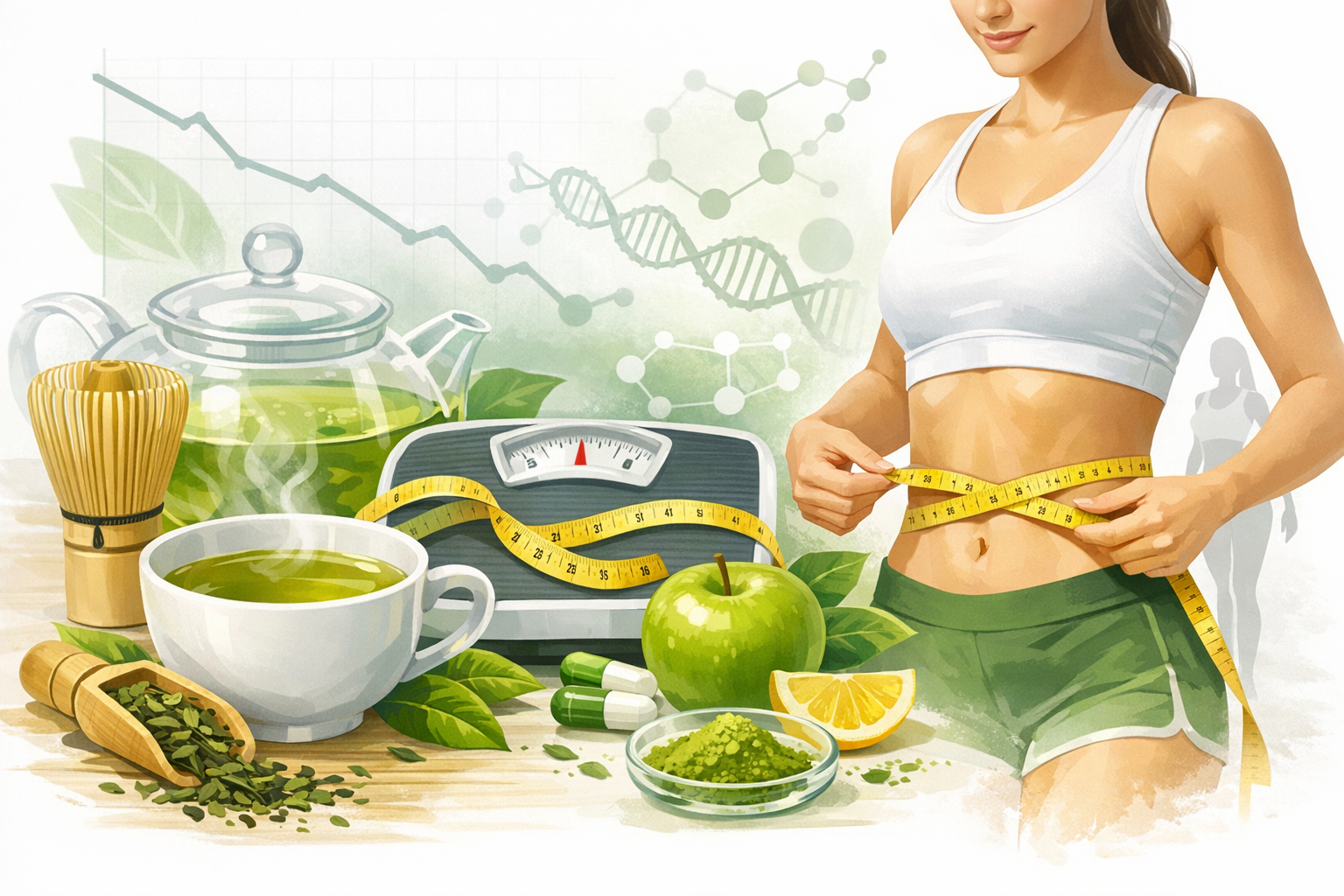
Green Tea for Weight Loss is one of the most searched wellness topics for good reason. This centuries-old beverage offers a gentle, science-supported boost to metabolism and fat oxidation, and it can help replace higher-calorie drinks. While it’s not a magic fix, using green tea strategically alongside a balanced diet, sleep, and regular movement can make a measurable difference over time. In this guide, you’ll learn how green tea supports weight management, the best types to choose, how to brew it for maximum benefits, how much to drink, and smart ways to fit it into your routine.
How Green Tea May Support Weight Management
Catechins and caffeine: the active duo
Green tea is rich in catechins—particularly EGCG (epigallocatechin gallate)—and naturally contains caffeine. Together, these compounds can slightly increase energy expenditure and encourage your body to use fat for fuel. EGCG appears to inhibit enzymes that break down norepinephrine, a hormone that signals fat cells to release fatty acids. Caffeine complements this by stimulating the central nervous system, modestly raising metabolic rate. The result is a small thermogenic effect that, over weeks and months, can contribute to weight loss when combined with a calorie-controlled diet.
Impact on fat oxidation and exercise
Several studies suggest catechin-caffeine combinations may improve fat oxidation during moderate-intensity activity. In practical terms, that means your body may rely a bit more on fat for energy during a brisk walk or easy run. This effect is modest and varies by person, but pairing a cup of green tea with your workout can be a simple, low-cost strategy to slightly enhance training benefits.
Appetite and blood sugar support
Some people report reduced snack cravings after drinking green tea, possibly due to its gentle caffeine and L-theanine combination, which may promote a calm alertness. Green tea also has a very low calorie count and may help replace sweetened beverages, reducing total daily energy intake. While it isn’t a treatment for blood sugar issues, choosing unsweetened green tea in place of sugary drinks can help smooth out energy dips and spikes associated with high-sugar options.
What the research says
Meta-analyses generally show that green tea extracts or higher-catechin green teas produce small but statistically significant reductions in body weight, body fat, and waist circumference compared with placebo—especially when paired with healthy diet and exercise habits. The magnitude is modest, and individual results vary based on genetics, habitual caffeine intake, total diet quality, sleep, and daily activity. The takeaway: Green Tea for Weight Loss can support your efforts, but your overall lifestyle drives the biggest changes.
Choosing the Right Green Tea for Weight Loss
Loose leaf, tea bags, or matcha?
All forms can fit, but potency and flavor differ:
- Loose leaf: Often higher quality with fuller flavor and potentially more catechins per serving when properly brewed.
- Tea bags: Convenient and consistent. Choose brands that disclose catechin content or freshness dates if possible.
- Matcha: Stone-ground whole leaves mean you consume the entire leaf, often providing higher concentrations of catechins and caffeine per serving. Great for a pre-workout cup.
Quality cues and freshness
Look for vibrant green color, a fresh grassy or umami aroma, and airtight, opaque packaging. Opt for harvest dates within the past year and store your tea in a cool, dark place away from moisture and strong odors to preserve catechins and flavor.
Caffeine considerations and decaf options
A typical cup of green tea provides about 20–45 mg of caffeine; matcha can deliver more, often 60–80 mg per serving depending on how much powder you use. If you’re sensitive to caffeine, choose lower-caffeine varieties, brew lighter, or consider decaffeinated green tea. Decaf retains many catechins, though the synergy with caffeine is reduced.
How to Brew Green Tea for Weight Loss Benefits
Brewing basics for maximum catechins
Proper technique preserves delicate flavors and optimizes beneficial compounds:
- Water temperature: Aim for 70–80°C (160–175°F) for most green teas. For matcha, slightly warmer (80–85°C/175–185°F) works well.
- Steep time: 2–3 minutes is a good starting point for loose leaf and bags. Longer steeps can extract more catechins but may turn bitter.
- Ratio: Use about 2 g of tea (roughly 1 teaspoon loose leaf or one standard bag) per 240 ml (8 oz) of water. For matcha, 1–2 grams per 240 ml is typical.
- Enhancers: A squeeze of lemon can help stabilize catechins and brighten taste. Avoid adding sugar; if needed, a small amount of honey or a non-caloric sweetener is a better choice.
Cold brew and iced green tea
Cold brewing can yield a smoother, less bitter tea with a refreshing profile—great for warm days. Steep 1–2 tablespoons of loose leaf (or 2–3 tea bags) in 1 liter of cold water in the fridge for 6–12 hours, then strain. Serve over ice with mint or citrus. This is an easy way to replace sugary sodas while increasing hydration.
When and how much to drink
Timing can help you feel the most benefit without disrupting sleep:
- Daily amount: 2–3 cups per day is a common target that balances benefits and tolerance. This typically delivers a few hundred milligrams of catechins and a moderate caffeine dose.
- Best times: Morning with breakfast, late morning, and early afternoon. A cup 30–60 minutes before a workout may support fat oxidation.
- Avoid late evenings if caffeine affects your sleep, since restful sleep is vital for appetite and weight regulation.
Practical Tips to Maximize Results
- Build a calorie deficit gently: Use green tea to replace high-calorie drinks and pair it with balanced meals rich in protein, fiber, and healthy fats.
- Leverage habit stacking: Sip a cup before a daily walk or training session to reinforce a consistent routine.
- Plan smart snacks: Drink green tea between meals to stay hydrated and curb mindless nibbling.
- Prioritize sleep and stress management: Poor sleep and high stress raise hunger hormones; green tea helps most when recovery is on point.
- Track what matters: Note your daily steps, workouts, and beverage swaps. Small changes add up over weeks and months.
- Be consistent: Expect subtle shifts in 4–8 weeks and more noticeable changes by 12+ weeks when combined with a solid nutrition plan.
Who Should Be Cautious
- Caffeine sensitivity: If you experience jitters or sleep disruption, reduce the dose, choose decaf, or avoid drinking after mid-afternoon.
- Iron deficiency: Tannins in tea can inhibit non-heme iron absorption. Drink green tea between meals rather than with iron-rich foods or supplements.
- Liver concerns: Extremely high-dose green tea extracts have been linked to rare liver issues. Stick to brewed tea or moderate, reputable supplements and consult a clinician if you have a liver condition.
- Pregnancy or breastfeeding: Limit total caffeine. Discuss intake with your healthcare provider.
- Medications: If you take stimulants, anticoagulants, or have medical conditions, check with your healthcare professional before adding concentrated green tea products.
Common Myths About Green Tea for Weight Loss
- Myth: It melts fat on its own. Reality: It offers a modest metabolic boost and helps with habits; diet and activity remain the main drivers.
- Myth: More is always better. Reality: Excess tea or extracts can cause side effects. Aim for 2–3 cups per day, adjusting to your tolerance.
- Myth: All green teas are identical. Reality: Quality, freshness, and preparation matter. Matcha and high-quality loose leaf often provide greater potency.
- Myth: Decaf is useless. Reality: Decaf still contains catechins, though the caffeine-catechin synergy is lower; it can still support healthier beverage choices.
Sample Daily Plan
- Breakfast (7:00 a.m.): 1 cup of hot green tea with a protein-rich meal (eggs, Greek yogurt, or tofu and whole grains).
- Late morning (10:30 a.m.): 1 cup between meals to stay hydrated and reduce grazing.
- Pre-workout (2:30 p.m.): 1 cup of matcha or strong green tea 30–45 minutes before exercise for a small fat-oxidation boost.
Round out your day with plenty of water, vegetables, lean proteins, complex carbohydrates, and a consistent sleep schedule.
Conclusion
Green Tea for Weight Loss is best viewed as a supportive ally, not a standalone solution. Its catechins and caffeine provide a mild uptick in energy expenditure and fat use, while the ritual of brewing and sipping can help replace sugary drinks and anchor healthy routines. Choose quality tea, brew it properly, time your cups wisely, and pair it with nutritious meals, movement, and recovery. With consistency, you’ll turn a simple daily beverage into a meaningful part of your long-term weight management strategy.