Coffee for Weight Loss: Science, Benefits, and How to Brew for Results
Coffee for Weight Loss: Why It’s Trending
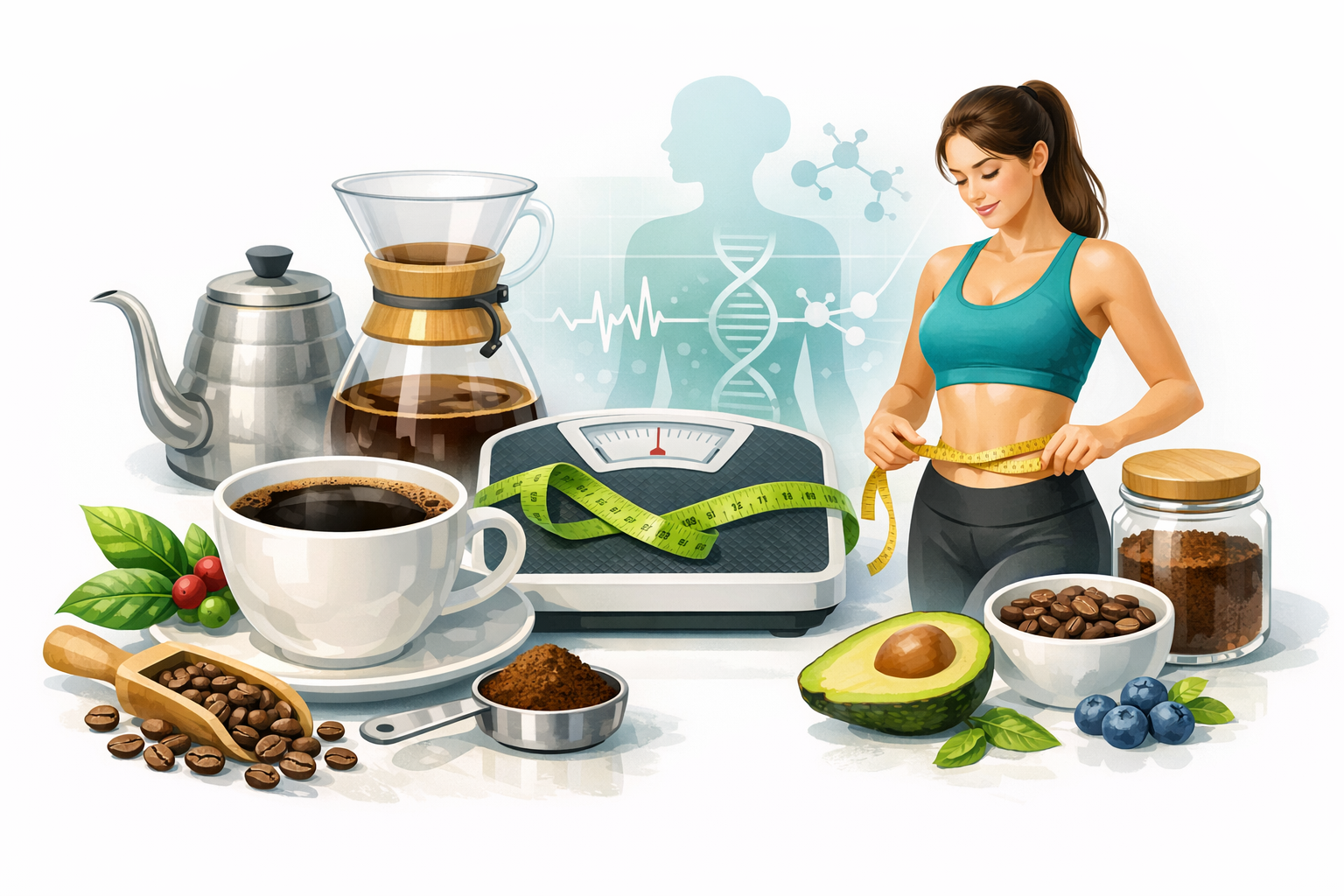
From morning rituals to pre-workout boosts, coffee is more than a beloved beverage—it can be a strategic tool in a healthy weight-management plan. Coffee for Weight Loss isn’t a magic fix, but when used wisely, it may support fat burning, appetite control, and workout performance. This guide breaks down the science, the best ways to brew, and the practical steps to make your daily cup work harder for your goals.
How Coffee Supports Weight Loss: The Science
Caffeine and Thermogenesis
Caffeine is a natural stimulant that can modestly increase thermogenesis—the process by which your body burns calories to produce heat. By nudging your resting energy expenditure slightly higher, caffeine may help you burn a small number of extra calories throughout the day. While the effect isn’t dramatic, it can add up when paired with consistent nutrition and exercise.
Chlorogenic Acids and Glucose Metabolism
Coffee contains antioxidants known as chlorogenic acids, which may influence carbohydrate metabolism. Some research suggests these compounds can reduce glucose absorption in the gut and improve insulin sensitivity, potentially supporting steadier energy and fewer cravings. While findings are mixed, chlorogenic acids add to coffee’s potential weight-management benefits.
Appetite and Perceived Energy
Many people notice reduced hunger or delayed appetite after a cup of coffee. Caffeine can also enhance perceived energy, which may encourage you to be more active, train harder, or stay the course on your plan. Just remember that individual responses vary—some feel more jittery or hungry later if they overdo it.
Best Ways to Drink Coffee for Weight Loss
Keep It Simple: Minimize Add-Ins
Calories can creep in through sugar, flavored syrups, and cream. If your goal is Coffee for Weight Loss, aim for black coffee or keep add-ins light and strategic.
- Choose black coffee, Americano, or espresso for near-zero calories.
- Swap sugar for a zero-calorie sweetener if needed.
- Use a small splash of milk or an unsweetened milk alternative.
- Avoid whipped cream, caramel drizzles, and heavy syrups.
Brewing Methods That Support Your Goals
Flavor, strength, and acidity vary by brew method. The “best” is the one you enjoy and can drink with minimal add-ins.
- Espresso: Intense flavor, naturally portion-controlled, easy to keep low-calorie.
- Americano: Espresso plus hot water—richer than drip with similar calories.
- Cold Brew: Smoother, often less acidic; easy to drink black or with minimal milk.
- Pour-Over/Drip: Clean, consistent flavor; great for daily sips.
- Instant Coffee: Convenient and low-calorie; quality varies by brand.
Timing Matters
For many, timing coffee around key moments can amplify benefits.
- Morning: A cup after a balanced breakfast may reduce mid-morning snacking.
- Pre-Workout: 30–60 minutes before training can enhance focus and performance.
- Midday: A small cup early afternoon can bridge energy dips—avoid late-day caffeine if it disrupts sleep.
How Much Coffee Is Helpful?
Finding Your Effective Dose
Most healthy adults can safely consume up to 400 mg of caffeine per day (roughly 3–4 eight-ounce cups of brewed coffee), though sensitivity varies. Start low and assess how you feel—too much can cause jitters, digestive upset, or sleep issues, all of which undermine weight loss.
- Light to moderate intake: 100–200 mg caffeine per serving can be effective for focus and performance.
- Spread doses: Smaller amounts throughout the first half of the day often work better than one large dose.
- Mind your total: Don’t forget caffeine from tea, energy drinks, supplements, and chocolate.
Pairing Coffee with Nutrition and Exercise
Smart Pre- and Post-Workout Strategy
Coffee for Weight Loss works best when it complements your training. Use it to power movement, not replace meals.
- Pre-Workout: A small coffee plus a light carb (like fruit or toast) can fuel higher-intensity sessions.
- Post-Workout: Rehydrate and eat protein with some carbs to support recovery and satiety.
- Hydration: Coffee is mildly diuretic for beginners, but regular drinkers adapt. Still, drink water with or after your coffee.
Protein and Fiber Keep You Full
If coffee suppresses appetite, avoid skipping balanced meals. Protein and fiber help sustain energy and prevent rebound hunger.
- Build meals with lean protein, colorful vegetables, whole grains, and healthy fats.
- Use coffee to shift meal timing slightly if it helps, but don’t under-eat.
Common Pitfalls to Avoid
When Coffee Backfires
Coffee can hinder progress if it leads to poor sleep, stress spikes, or liquid calories.
- Oversweetened Drinks: Specialty coffees can pack 200–500+ calories—often more than a snack or small meal.
- Late-Day Caffeine: Disrupted sleep impairs appetite hormones and recovery, slowing fat loss.
- Empty-Stomach Jitters: Coffee on an empty stomach can trigger anxiety or acid irritation in some people.
- Over-Reliance: Coffee is a tool, not a meal plan; under-eating leads to cravings and plateaus.
Who Should Be Cautious
Special Considerations
Most healthy adults tolerate moderate coffee intake, but some should be more careful.
- Pregnant or Breastfeeding: Ask your clinician about safe caffeine limits.
- Hypertension or Heart Concerns: Monitor blood pressure; choose smaller servings or decaf if needed.
- GI Sensitivity or Reflux: Try cold brew or low-acid options; avoid drinking on an empty stomach.
- Anxiety or Sleep Issues: Reduce dose, avoid afternoon caffeine, or choose decaf.
Practical Tips to Maximize Coffee for Weight Loss
Actionable Daily Strategies
- Drink Water First: Start your morning with water, then have coffee to prevent dehydration.
- Cap Your Caffeine Window: Keep coffee to before 2 p.m. (earlier if you’re sensitive) to protect sleep.
- Make It a Ritual, Not a Reward: Enjoy the process—grind fresh beans, savor the aroma—without loading sugary treats alongside.
- Use Spices, Not Sugar: Cinnamon, nutmeg, or a dash of cacao provide flavor without calories.
- Batch Brew: Prepare cold brew or drip coffee in advance to avoid convenience purchases high in sugar.
- Leverage Decaf: Switch to decaf after midday for the routine without late-night stimulation.
- Track Your Response: Note focus, hunger, and sleep quality to dial in timing and dose.
Budget and Café Choices
Eating out or grabbing a café drink doesn’t have to derail your plan.
- Order Smart: Americano, drip, or espresso with a splash of milk; skip whipped cream and syrups.
- Size Matters: Choose small or medium; large drinks can creep up in caffeine and calories.
- Customize: Ask for half-sweet, sugar-free syrup, or extra cinnamon instead of sugar.
Sample Day Using Coffee for Weight Loss
A Balanced Blueprint
Here’s an example of how you could integrate coffee into a steady routine while supporting fat loss:
- Morning: Water first, then a black coffee with breakfast (eggs, whole-grain toast, berries).
- Late Morning: If hungry, have Greek yogurt with nuts; skip extra coffee if you’re energized.
- Pre-Workout (Early Afternoon): Small coffee 45 minutes before training plus a banana.
- Post-Workout: Water, then a protein-rich meal or shake with fruit and whole grains.
- Evening: Herbal tea or decaf if you enjoy a warm drink—protect sleep to support recovery and appetite control.
Decaf and Alternatives: Do They Help?
Decaf’s Role
Decaf still contains beneficial antioxidants and can preserve the ritual without the stimulating effects. While decaf won’t boost thermogenesis like regular coffee, it may aid weight management indirectly by supporting satiety, reducing cravings for sugary beverages, and protecting sleep.
Tea and Other Options
Green and black teas provide smaller caffeine doses plus polyphenols that may support metabolic health. If you’re sensitive to coffee, these can be effective alternatives within a similar strategy.
Frequently Asked Questions About Coffee for Weight Loss
Is fasting with coffee better for fat loss?
Some prefer black coffee during a morning fasting window to curb hunger. If it helps you maintain a sustainable calorie deficit without rebound overeating, it can be useful. If it causes jitters or leads to overeating later, pair coffee with a balanced breakfast instead.
What about bulletproof coffee?
Butter- or oil-laced coffee is calorie-dense and can stall weight loss for many people. Unless specifically following a ketogenic protocol that accounts for those calories, stick to low-calorie add-ins.
Will I build tolerance?
Yes, tolerance can reduce caffeine’s effects over time. Cycling your intake (e.g., 5 days on, 2 days lighter; or a week of lower intake every couple of months) may restore sensitivity. Prioritize sleep and nutrition first.
Conclusion: Make Coffee Work for You
Coffee for Weight Loss can be a valuable ally when paired with balanced nutrition, regular movement, and quality sleep. Focus on simple, low-calorie preparations; time your cup to support energy and training; and pay attention to your personal response. With smart habits and realistic expectations, your coffee routine can become a satisfying, sustainable part of your long-term weight-management strategy.

Vishal Verma
Vishal Verma is a health blogger and founder of NutriActive.org. He specializes in topics like fatty liver, weight loss, nutrition, and natural remedies. His goal is to provide simple, research-based health information to help people improve their lifestyle and overall well-being.