Banana for Weight Loss: How to Use This Fruit to Feel Full and Slim Down
Introduction
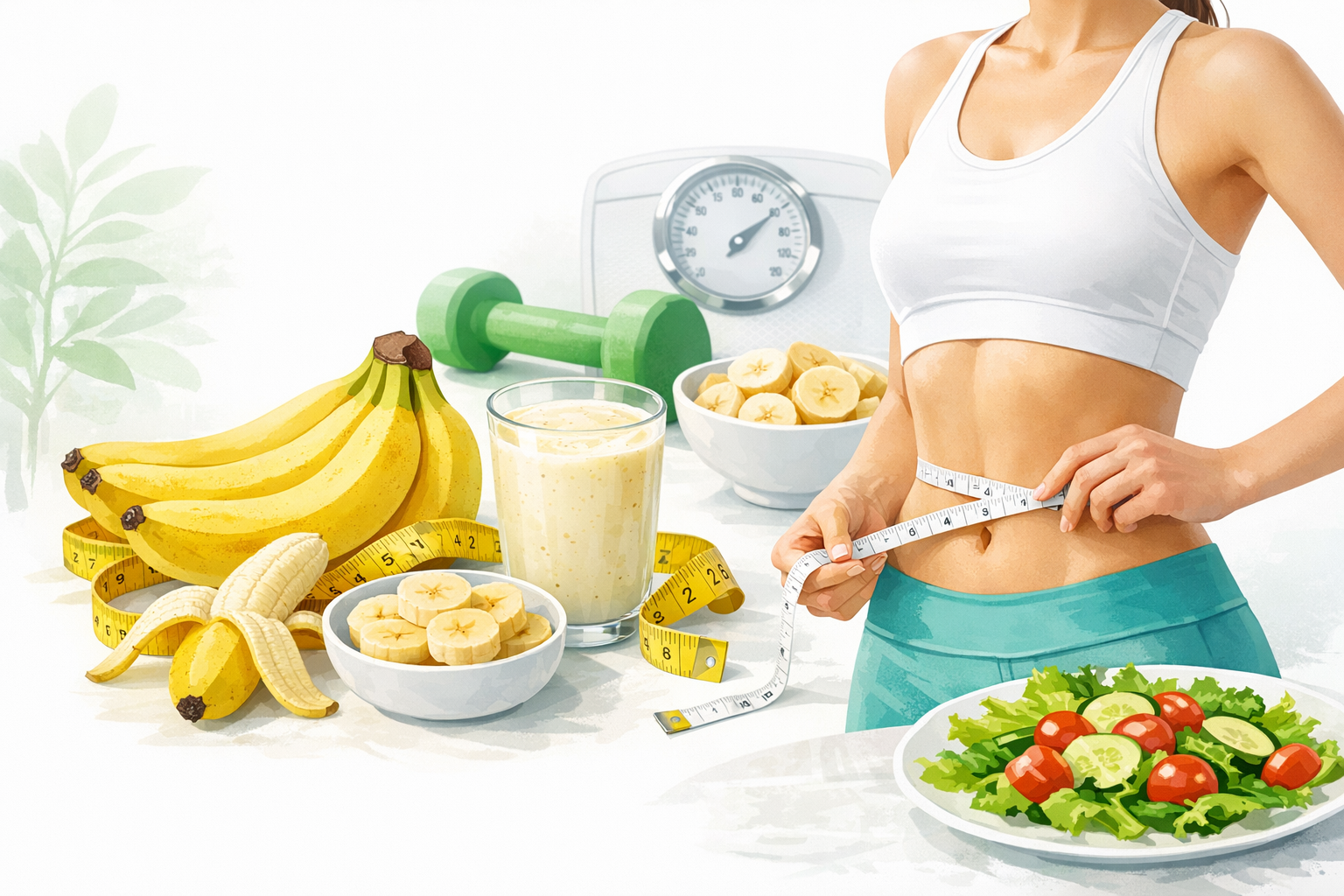
When you think of slimming down, you might wonder if bananas belong on your plate. Despite myths that fruit sugar stalls fat loss, banana for weight loss can be a smart, satisfying choice. Packed with fiber, potassium, and slow-digesting carbs, bananas can curb cravings, support workouts, and fit easily into a calorie-controlled plan. The key is knowing how much to eat, when to enjoy them, and what to pair them with so you get steady energy and lasting fullness.
Are Bananas Good for Weight Loss?
Calories and basic nutrition
A medium banana has about 105 calories, 27 g of carbs, 3 g of fiber, and roughly 1 g of protein, with no fat. It delivers potassium, vitamin B6, vitamin C, and small amounts of magnesium and manganese. Compared with many snacks of similar calories, bananas offer more micronutrients and natural fiber that promotes satiety.
Fiber and fullness
Bananas contain soluble fiber, including pectin, which forms a gel in the gut and slows digestion. Slower digestion can blunt rapid blood sugar spikes and keep you feeling full longer. Green to just-ripe bananas also contain resistant starch, a type of carbohydrate that resists digestion in the small intestine and ferments in the colon, feeding beneficial gut bacteria. This process may help improve insulin sensitivity and fullness signals, both useful when you are aiming to reduce calories without constant hunger.
Glycemic index and ripeness
The glycemic index (GI) of bananas varies with ripeness. Greener bananas typically have a lower GI because of higher resistant starch; as the fruit ripens, resistant starch converts into simpler sugars and the GI rises. For many people, choosing a lightly speckled or just-ripe banana supports steadier energy than very brown bananas. That said, the total portion size and what you pair a banana with have a greater impact on your response than GI alone.
How to Use Banana for Weight Loss
Ideal portion sizes
For most weight loss plans, 1 small to medium banana per sitting is reasonable. If you are actively restricting calories, aim for one banana daily or every other day, balanced with other fruits like berries, apples, or citrus to diversify fiber and antioxidants. Extra large bananas can add 130 to 150 calories; if you choose a large one, balance the meal by reducing other carb sources.
Best times to eat
There is no single perfect time, but strategy matters:
- Morning: A banana at breakfast provides quick energy and fiber to prevent mid-morning snacking.
- Pre-workout: About 30 to 60 minutes before exercise, bananas provide easy-to-digest carbs and potassium that support performance and help you push harder, aiding calorie burn.
- Post-workout: Pair a banana with protein (like Greek yogurt) to replenish glycogen and support recovery without overeating later.
- Afternoon cravings: Use a banana with a protein or healthy fat to quiet sweet cravings and reduce the urge for high-calorie desserts.
Smart pairings for steady energy
Combining a banana with protein and healthy fats slows digestion and promotes satiety. Try these combinations:
- Banana plus 1 to 2 tablespoons of natural peanut or almond butter
- Banana slices over plain Greek yogurt with cinnamon
- Half a banana blended into a protein shake with unsweetened cocoa and ice
- Banana with a small handful of nuts or seeds
Green vs. ripe bananas
Greener bananas offer more resistant starch and may keep you full longer with a gentler blood sugar rise. Ripe bananas are sweeter and softer, ideal for quick pre-workout fuel or baking. Choose based on your needs: earlier in the day, or pre-exercise, ripe bananas shine; for a more filling snack, slightly green to just-ripe works well.
Benefits of Banana for Weight Loss
Natural portion control and convenience
Bananas come in a built-in portion and travel well, making them an easy swap for high-calorie pastries or candy bars when you are on the go. One peel-and-eat fruit can replace 200 to 400 calories worth of processed snacks.
Supports digestive health
Fiber in bananas may help regularity and reduce bloating when combined with adequate water. A calmer, more predictable digestive system can make it easier to stick to a calorie target and feel comfortable during workouts.
Electrolytes for active lifestyles
Potassium helps balance sodium and supports normal muscle function. If you exercise or sweat heavily, including bananas can help maintain electrolyte balance, potentially improving performance and recovery so you can train consistently for fat loss.
Versatile for sweet satisfaction
Because bananas are naturally sweet, they can satisfy dessert cravings without the added sugars and fats common in baked goods and candies. With the right pairings, you can enjoy sweetness and stay within your calorie budget.
Common Mistakes to Avoid
Overdoing smoothies
While smoothies can be healthy, packing them with multiple fruits, sweetened milk, and nut butter can push calories sky-high. Use one banana max, choose unsweetened milk alternatives or water, add leafy greens, and include a measured scoop of protein.
Ignoring total calories
No single food causes weight loss. If you add bananas without adjusting other carbs or snacks, your total calories may creep up. Track portions, especially early on, to learn how bananas fit your plan.
Relying on bananas alone
Bananas are great, but a variety of fruits and vegetables supplies a broader range of fiber types and phytonutrients. Balance bananas with berries, citrus, apples, and non-starchy vegetables for best results.
Simple Banana for Weight Loss Meal Ideas
Breakfast options
- High-protein bowl: Greek yogurt, half a sliced banana, chia seeds, and cinnamon.
- Protein oats: Rolled oats cooked with water, stirred with a scoop of protein powder, topped with banana coins and a few walnuts.
- Egg-and-banana duo: Veggie omelet plus a small banana on the side for a balanced plate.
Snack ideas
- Banana with 1 tablespoon of peanut butter and a sprinkle of cocoa powder
- Half a banana rolled in crushed almonds for crunch and staying power
- Frozen banana slices dipped in Greek yogurt and cinnamon, then chilled
Pre- and post-workout
- Pre-workout: One ripe banana and a few sips of water 30 minutes before training
- Post-workout: Smoothie with half a banana, protein powder, spinach, and unsweetened almond milk
Quick Science Snapshot
Bananas provide soluble fiber and resistant starch, which are associated with better satiety and improved glycemic responses. While they do not directly burn fat, their nutrient profile and convenience help you consistently hit a calorie deficit, making them a supportive, not magical, part of a weight loss plan. For individuals with diabetes or specific health conditions, portioning and pairing with protein and fats become even more important to manage blood glucose.
Practical Tips for Using Banana for Weight Loss
- Choose size wisely: Opt for small to medium bananas to keep calories in check.
- Mind ripeness: Slightly green to just-ripe for fullness; ripe for quick energy.
- Pair smart: Add protein and healthy fats to slow digestion and extend satiety.
- Limit to one per sitting: Especially if you also have other carb sources in the meal.
- Use spices: Cinnamon or nutmeg adds flavor without extra calories.
- Freeze for texture: Frozen banana halves make satisfying, portion-controlled treats.
- Track early on: Log portions for a week to learn what keeps you full within your calorie target.
Banana Myths and Straight Facts
Do bananas cause belly fat?
No single food causes belly fat. Excess total calories over time drive fat gain. Banana for weight loss can work when portions are controlled and meals are balanced.
Is the sugar in bananas bad?
Banana sugar is naturally packaged with fiber, water, and micronutrients, which slows absorption. The dose matters: one banana in a balanced meal is different from multiple bananas plus sugary add-ons.
Are dried banana chips a good swap?
Most packaged banana chips are fried and sweetened, raising calories and added sugar. Fresh bananas or homemade baked chips without added sugar and oil are better for weight loss.
Sample One-Day Banana-Forward Menu
- Breakfast: Protein oats with half a banana and cinnamon
- Snack: Small banana with 1 tablespoon almond butter
- Lunch: Big salad with grilled chicken, olive oil and lemon, and a side of berries
- Pre-workout: Half a ripe banana
- Dinner: Baked salmon, roasted broccoli, and quinoa
- Dessert: Frozen banana coins stirred into plain Greek yogurt
This sample day uses banana for weight loss strategically at times you need energy or sweetness, while keeping overall calories and macros in balance.
Conclusion
Banana for weight loss works best when you treat the fruit as a smart, portion-controlled carbohydrate rather than an all-you-can-eat snack. Its fiber, potassium, and convenience make it a useful tool for taming hunger, powering workouts, and swapping out higher-calorie sweets. Choose the right ripeness for your goal, pair with protein and healthy fats, and keep portions sensible. With these strategies, bananas can absolutely earn a place in your leaner, healthier routine.

Vishal Verma
Vishal Verma is a health blogger and founder of NutriActive.org. He specializes in topics like fatty liver, weight loss, nutrition, and natural remedies. His goal is to provide simple, research-based health information to help people improve their lifestyle and overall well-being.