
Mediterranean Diet Benefits: A Complete Guide to Better Health

7 minutes read
10 Views

Introduction

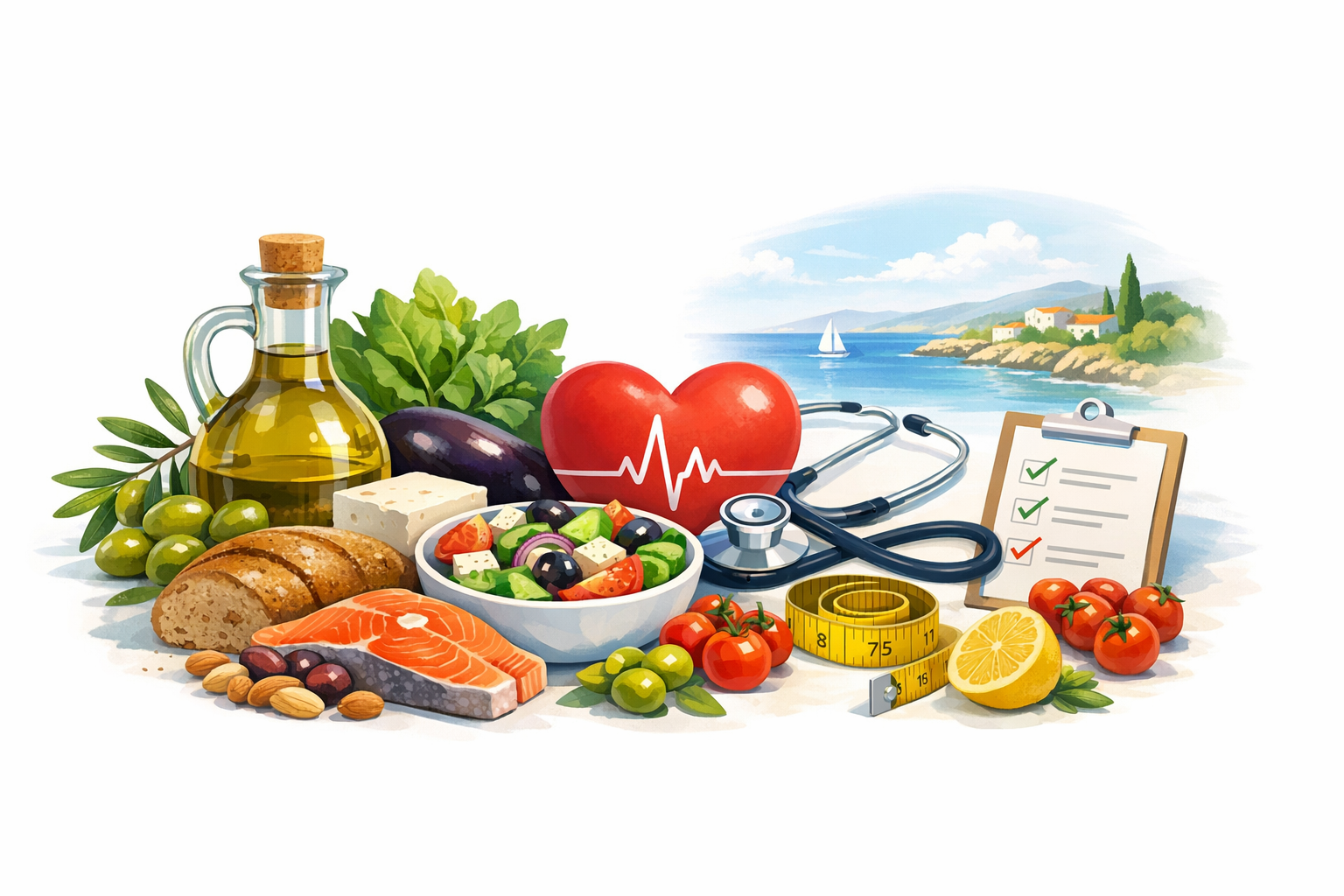
The phrase Mediterranean Diet Benefits captures why this traditional way of eating has become a global gold standard for health. Inspired by the cuisines of Greece, Italy, Spain, and other countries bordering the Mediterranean Sea, the diet emphasizes whole, minimally processed foods: vegetables, fruits, legumes, whole grains, nuts, seeds, olive oil, herbs, spices, and seafood, with modest portions of dairy and poultry and very limited red meat and sweets. In this guide, you’ll learn exactly what makes this pattern so powerful, how the benefits show up in real life, and simple steps to put it into practice.

What Are Mediterranean Diet Benefits?

Heart Health and Cholesterol Support

One of the most studied Mediterranean Diet Benefits is cardiovascular protection. A pattern rich in monounsaturated fats (especially extra-virgin olive oil), omega-3s from fish, fiber from whole plants, and polyphenols from colorful produce helps reduce LDL cholesterol oxidation, supports healthy blood pressure, and promotes flexible, resilient blood vessels. Over time, this combination can reduce the risk of heart disease and stroke.

Brain and Cognitive Function

The diet’s abundance of antioxidants, healthy fats, and anti-inflammatory compounds supports brain health. Nutrients such as omega-3 fatty acids, vitamin E, polyphenols, and B vitamins can help protect neurons, support memory, and may lower the risk of cognitive decline as we age.

Weight Management and Metabolic Balance

Another set of Mediterranean Diet Benefits relates to weight and metabolism. High-fiber foods, satisfying healthy fats, and a focus on real, minimally processed meals reduce overeating and stabilize blood sugar. People often find this diet filling and flavorful, helping them naturally manage weight without strict calorie counting.

Longevity and Healthy Aging

Populations that follow Mediterranean eating patterns often live longer, healthier lives. The synergy of plant-forward meals, seafood, olive oil, movement, and social meals appears to lower inflammation and oxidative stress, two drivers of chronic disease and accelerated aging.

Blood Sugar and Insulin Sensitivity

Thanks to fiber-rich legumes, whole grains, and vegetables—and the steadying effect of fats and proteins—the diet promotes smoother blood sugar levels and improved insulin sensitivity. This can reduce the risk of type 2 diabetes and support better daily energy.

Gut Health and Immune Support

Variety is a hallmark of Mediterranean eating. Diverse plant foods feed a diverse gut microbiome, which supports digestion, nutrient absorption, and immune function. Fermented dairy like yogurt also contributes beneficial bacteria and key nutrients like calcium.

The Science Behind Mediterranean Diet Benefits

Large population studies and randomized trials have consistently linked Mediterranean-style eating to reduced risk of cardiovascular disease, certain cancers, type 2 diabetes, and cognitive decline. The power lies less in one “superfood” and more in the overall pattern: generous plants, quality fats, sensible portions of protein, and minimal ultra-processed foods. Polyphenols (from olives, herbs, berries, and leafy greens) combat oxidative stress; soluble fiber (from oats, beans, and legumes) helps lower LDL; and omega-3s (from fish and some nuts and seeds) ease inflammation.

Unlike fad diets, this approach is sustainable, flexible, and rooted in cultural traditions that include shared meals and active lifestyles. These lifestyle elements—walking, cooking at home, and enjoying food socially—enhance the nutritional advantages and contribute to long-term adherence.

Key Foods That Deliver Mediterranean Diet Benefits

Extra-Virgin Olive Oil (EVOO)

EVOO is a cornerstone, rich in monounsaturated fats and polyphenols. Use it for dressings, finishing dishes, light sautéing, and even drizzling over cooked vegetables or fish to amplify flavor and nutrient absorption.

Vegetables and Fruits

Abundance and variety matter. Dark leafy greens, tomatoes, peppers, eggplant, zucchini, onions, citrus, berries, and stone fruits provide vitamins, minerals, fiber, and antioxidants essential for heart and brain health.

Whole Grains and Legumes

Farro, barley, whole wheat, oats, brown rice, bulgur, lentils, chickpeas, and beans deliver steady energy and gut-friendly fiber. They also pair well with vegetables, herbs, and olive oil for simple, satisfying meals.

Seafood and Lean Proteins

Fish—especially salmon, sardines, anchovies, mackerel, and trout—provide omega-3s linked to heart and brain benefits. Poultry and eggs appear in moderate amounts, while red meat is limited.

Nuts and Seeds

Almonds, walnuts, pistachios, chia, and sesame add crunch, healthy fats, protein, and minerals. A small handful can keep you satisfied, support lipid balance, and add variety to salads and yogurt.

Herbs, Spices, and Aromatics

Garlic, oregano, basil, rosemary, thyme, cumin, cinnamon, and mint offer flavor without excess sodium and deliver polyphenols that support anti-inflammatory pathways.

Fermented Dairy and Gut Health

Plain yogurt and traditional cheeses like feta or kefir in moderate portions supply protein, calcium, and beneficial microbes that support digestion and immune function.

Practical Tips to Maximize Mediterranean Diet Benefits

Build a Balanced Mediterranean Plate

  • Half plate non-starchy vegetables (leafy greens, roasted peppers, tomatoes, broccoli).
  • One quarter whole grains or legumes (farro, quinoa, brown rice, lentils, chickpeas).
  • One quarter lean protein (fish, beans, tofu, or poultry).
  • Add healthy fats (1–2 tablespoons of extra-virgin olive oil, a small handful of nuts or seeds).
  • Season generously with herbs, spices, lemon, and vinegar.

Smart Kitchen Swaps

  • Butter to olive oil: Use EVOO for dressings and sautéing.
  • Refined grains to whole grains: Choose whole wheat pasta, brown rice, or bulgur.
  • Processed snacks to nuts and fruit: Keep almonds, walnuts, and seasonal fruit handy.
  • Red meat to seafood: Aim for fish 2–3 times per week.
  • Sugary desserts to fruit and yogurt: Sweeten with cinnamon or a drizzle of honey.

Simple Meal Ideas

  • Breakfast: Greek yogurt with berries, walnuts, chia seeds, and a drizzle of olive oil.
  • Lunch: Chickpea salad with cucumbers, tomatoes, olives, feta, and lemon-oregano vinaigrette.
  • Dinner: Grilled salmon over farro with roasted zucchini, peppers, and a side salad.
  • Snack: Hummus with carrots and bell peppers or a small handful of mixed nuts.

Shopping List Staples

  • Pantry: Extra-virgin olive oil, canned tomatoes, chickpeas, lentils, whole grains, olives, capers.
  • Produce: Leafy greens, onions, garlic, cucumbers, tomatoes, seasonal fruits, herbs.
  • Protein: Canned tuna or sardines, fresh fish, eggs, yogurt, small portions of cheese.
  • Flavor: Lemon, vinegar, tahini, spices (oregano, cumin, paprika), toasted nuts and seeds.

Dining Out the Mediterranean Way

  • Start with a salad or vegetable-based appetizer.
  • Choose grilled or baked fish and vegetables; request olive oil and lemon for dressing.
  • Swap fries for whole grains or legumes when available.
  • Share a dessert or opt for fruit to limit added sugars.

Common Myths and FAQs

Is the Mediterranean diet expensive?

It can be budget-friendly by focusing on beans, lentils, seasonal produce, canned fish, and buying olive oil in larger formats. Simple, home-cooked meals are the norm.

Do I have to eat fish?

Seafood amplifies Mediterranean Diet Benefits, but if you don’t eat fish, you can still benefit from olive oil, legumes, nuts, seeds, and plenty of vegetables. Consider plant-based omega-3 sources like walnuts and chia seeds.

Is wine required?

No. While some Mediterranean cultures include moderate wine with meals, alcohol is optional. If you don’t drink, you can still experience the full range of benefits.

Can it support athletes?

Yes. The diet provides complex carbs for fuel, quality protein for recovery, and anti-inflammatory compounds that may aid performance and reduce soreness.

Who Should Be Cautious

Most people can adopt this approach safely, but if you take medications that interact with vitamin K (found in leafy greens), have specific kidney or digestive conditions, or need a tailored carbohydrate plan, speak with a healthcare professional or registered dietitian for personalized guidance.

Conclusion

Mediterranean Diet Benefits are broad and compelling: stronger heart health, sharper brain function, steadier weight, and more vibrant aging. By centering meals on vegetables, whole grains, legumes, seafood, nuts, seeds, olive oil, and bold herbs and spices—and by embracing joyful, active living—you can transform daily eating into a long-term health strategy. Start small: add an extra vegetable to dinner, swap butter for olive oil, and enjoy fish this week. Over time, these consistent, flavorful choices add up to meaningful, lasting results.

Tags:

WhatsApp Channel Join Now
Telegram Channel Join Now
Instagram Page Join Now

Leave a Reply

Your email address will not be published. Required fields are marked *