Best Diet for Weight Loss: An Evidence-Based, Sustainable Guide
Introduction
Searching for the Best Diet for Weight Loss can feel overwhelming. There are countless plans, trending protocols, and bold promises. Yet, despite the noise, successful weight loss consistently comes down to a few proven principles: a calorie deficit you can maintain, sufficient protein and fiber, smart food choices, and sustainable habits. This guide distills the science and practical steps so you can choose a plan that fits your lifestyle and finally see lasting results.
What Makes the Best Diet for Weight Loss?
The Best Diet for Weight Loss is not a single, magical plan. It is the approach that helps you consistently eat fewer calories than you burn while preserving muscle, managing hunger, and fitting your daily routine. Most successful diets share core features:
- Calorie deficit: Weight loss occurs when energy intake is lower than expenditure.
- Adequate protein: Supports muscle preservation, fullness, and metabolic health.
- High fiber: Vegetables, fruits, legumes, and whole grains increase satiety for fewer calories.
- Whole, minimally processed foods: Tend to be more filling and nutrient-dense.
- Sustainability: The best plan is one you can follow for months, not days.
- Behavioral support: Meal planning, tracking, sleep, and stress management reinforce consistency.
Popular Approaches Compared
Different diets can deliver similar results if the above principles are in place. Here’s how popular options stack up so you can align the Best Diet for Weight Loss with your preferences.
Mediterranean-Style
What it is: Emphasizes vegetables, fruits, whole grains, legumes, olive oil, nuts, fish, and moderate dairy; minimal ultra-processed foods.
- Pros: Highly nutritious, heart-healthy, flexible, satisfying.
- Cons: Can be calorie-dense if portions of oils and nuts are unchecked.
- Best for: Those wanting variety, long-term health, and social-friendly meals.
Higher-Protein / Lower-Carb
What it is: Prioritizes lean proteins and non-starchy vegetables; moderates starches and sugars.
- Pros: Protein boosts fullness and helps maintain muscle; often reduces cravings.
- Cons: May feel restrictive if you love bread, pasta, or fruit in large amounts.
- Best for: Appetite control and gym-goers aiming to preserve lean mass.
Plant-Forward or Plant-Based
What it is: Focuses on vegetables, legumes, whole grains, fruits, nuts, and seeds; can include or exclude animal products.
- Pros: High fiber, nutrient-dense, environmentally friendly.
- Cons: Some plant foods are calorie-dense; protein planning is essential.
- Best for: Those who enjoy plants, value satiety from fiber, and like cooking.
Low-Fat, Whole-Food
What it is: Limits added fats and emphasizes minimally processed carbs and lean proteins.
- Pros: Lower calorie density can make large portions possible.
- Cons: Can be bland without careful seasoning; fat is important for flavor and hormones.
- Best for: Volume eaters who like big, satisfying plates.
Time-Restricted Eating (Intermittent Fasting)
What it is: Eating within a daily window (e.g., 8 hours) and fasting the rest.
- Pros: Simple rule-set; may reduce mindless snacking.
- Cons: Overeating during the window can erase the deficit; not for everyone’s schedule.
- Best for: People who prefer fewer meals and clear boundaries.
How to Build Meals for Results
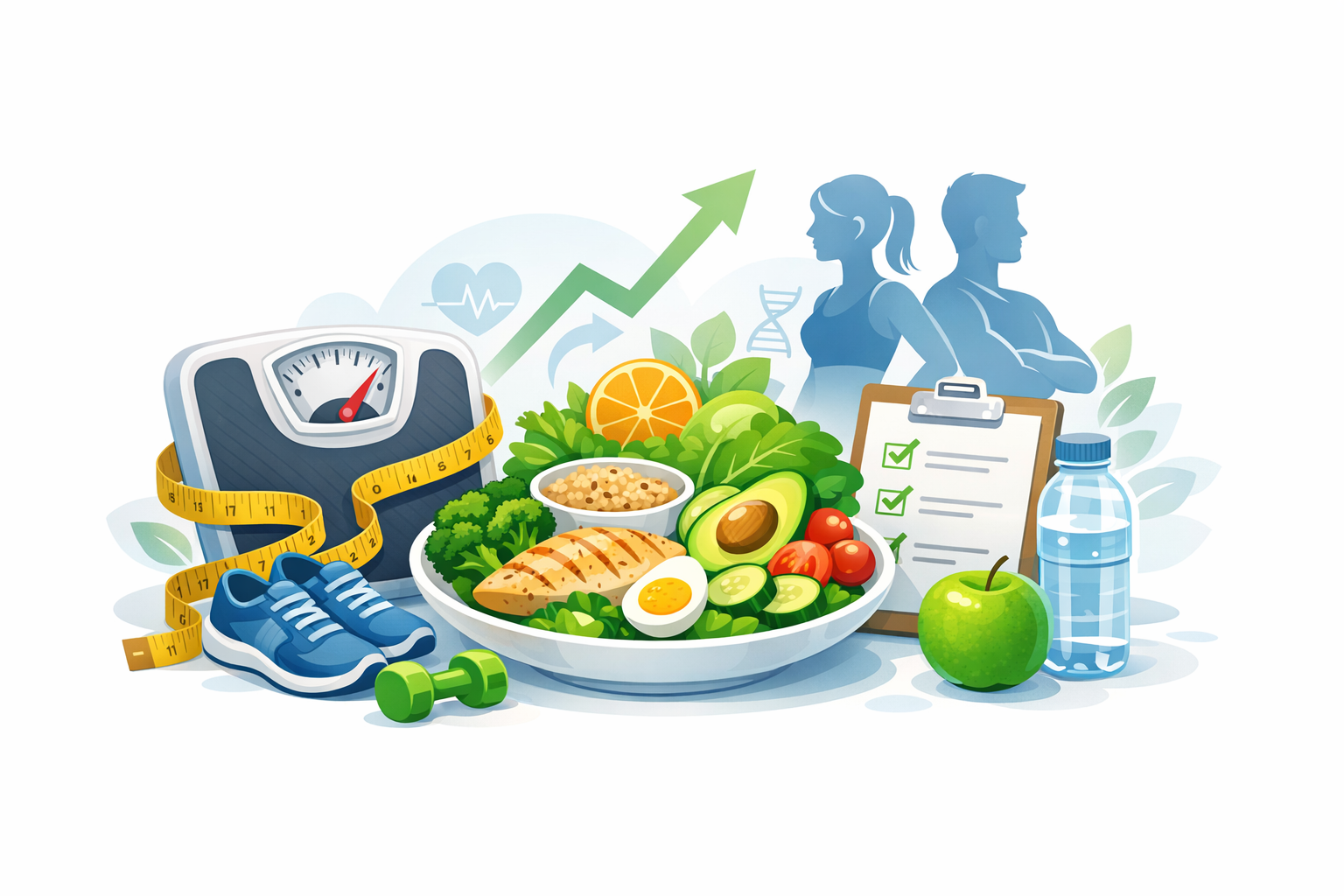
Regardless of the template you choose, building balanced, filling meals is central to the Best Diet for Weight Loss. Use this simple plate method:
- Half your plate: Non-starchy vegetables (broccoli, leafy greens, peppers, zucchini).
- Quarter of your plate: Lean protein (chicken breast, tofu, fish, Greek yogurt, eggs, beans).
- Quarter of your plate: Smart carbs (quinoa, brown rice, potatoes, oats, whole-grain pasta, legumes).
- Add: 1–2 teaspoons of healthy fats (olive oil, avocado, nuts, seeds) if not included in cooking.
Protein Targets
A practical range is about 1.6–2.2 g/kg of goal body weight per day (or 0.7–1.0 g/lb). Spread protein across meals to stay full and support recovery if you train.
Fiber and Hydration
Aim for 25–35 g of fiber daily and drink enough water so your urine is pale yellow. Higher fiber plus hydration improves fullness and digestion.
Foods to Emphasize
- Leafy greens, cruciferous veggies, and colorful produce
- Lean proteins: poultry, fish, eggs, low-fat dairy, tofu, tempeh, legumes
- Whole grains and starchy vegetables in mindful portions
- Healthy fats: extra-virgin olive oil, nuts, seeds, avocado
Foods to Limit (Not Ban)
- Ultra-processed snacks high in sugar, refined flour, and added fats
- Sugary beverages and large portions of alcohol
- High-calorie condiments used mindlessly (creamy dressings, butter)
Sample Day on the Best Diet for Weight Loss
This example shows balance and variety. Adjust portions to your calorie needs.
- Breakfast: Greek yogurt parfait with berries, chia seeds, and a sprinkle of oats.
- Lunch: Grilled chicken (or tofu) bowl with quinoa, roasted veggies, olive oil–lemon dressing.
- Snack: Apple and a small handful of almonds.
- Dinner: Baked salmon, steamed broccoli, and roasted potatoes with herbs.
- Optional: Herbal tea or a square of dark chocolate.
Meal Planning and Grocery Strategy
Planning removes decision fatigue and keeps your calorie deficit intact.
- Plan 3–4 simple meals you like and repeat through the week.
- Batch-cook proteins and grains (chicken, beans, lentils, rice, quinoa) and prep vegetables.
- Stock convenience helpers: pre-washed greens, frozen veggies, canned tuna/beans, microwavable grains.
- Build a shopping list around your meals and stick to it.
- Keep low-calorie flavor boosts: herbs, spices, citrus, vinegar, hot sauce, mustard.
Dining Out Without Derailing
You can still enjoy restaurants on the Best Diet for Weight Loss by using a few simple rules:
- Scan menus for lean protein and vegetable sides.
- Ask for dressings/sauces on the side; choose grilled, baked, or steamed options.
- Split large portions or box half before you start.
- Choose either an appetizer or dessert, not both, most of the time.
Activity, Sleep, and Stress: The Hidden Multipliers
Your diet works best when your lifestyle supports it.
- Resistance training: 2–4 sessions weekly to maintain or build muscle and boost metabolism.
- Daily movement: Walks, stair use, and standing breaks increase calorie burn (NEAT).
- Sleep: Aim for 7–9 hours; poor sleep increases hunger hormones and cravings.
- Stress management: Breathing, journaling, or short breaks help prevent emotional eating.
How to Set Calories and Adjust
Start with a reasonable target, then refine based on progress:
- Estimate calories: A moderate deficit of about 300–500 kcal/day suits most adults.
- Track lightly: Use a food diary or app for 1–2 weeks to calibrate portions.
- Watch the trend: Aim for 0.5–1% of body weight lost per week on average.
- Adjust: If weight stalls for 2–3 weeks, reduce portions slightly, add 1,000–2,000 extra weekly steps, or increase protein and veggies.
Practical Tips to Make It Stick
- Anchor meals: Eat at roughly consistent times to reduce grazing.
- Front-load protein and produce: Prioritize them at the first two meals of the day.
- Volume hacks: Soups, salads, and stir-fries add fullness for fewer calories.
- Pre-commit: Decide tomorrow’s meals tonight.
- 80/20 rule: Eat nutrient-dense foods 80–90% of the time; leave room for favorites in controlled portions.
- Environment design: Keep tempting snacks out of sight; place fruit and cut veggies front and center.
- Protein at snacks: Pair fruit or crackers with yogurt, cottage cheese, or lean jerky for balance.
- Hydration cue: Drink a glass of water before meals; thirst can masquerade as hunger.
Common Pitfalls to Avoid
- All-or-nothing thinking: One indulgent meal is not a failure; return to plan at the next meal.
- Neglecting protein: Too little increases hunger and muscle loss during dieting.
- Liquid calories: Sodas, juices, fancy coffees, and alcohol add up quickly.
- Underestimating portions: Use a food scale or measuring cups initially to calibrate your eye.
- Skipping resistance training: Cardio helps, but lifting protects your metabolism and shape.
Conclusion
The Best Diet for Weight Loss is the one you can follow consistently while creating a modest calorie deficit, prioritizing protein and fiber, and building supportive habits. Whether you gravitate toward Mediterranean meals, higher-protein plates, or plant-forward eating, success comes from planning, practicing portion awareness, moving your body, and staying flexible. Start small this week: choose a meal template you enjoy, shop from a simple list, and commit to two strength sessions and a daily walk. With steady habits, the results will follow—and last.

Vishal Verma
Vishal Verma is a health blogger and founder of NutriActive.org. He specializes in topics like fatty liver, weight loss, nutrition, and natural remedies. His goal is to provide simple, research-based health information to help people improve their lifestyle and overall well-being.