Best Fruits for Weight Loss: A Nutritionist’s Guide to Smart, Satisfying Snacking
Introduction
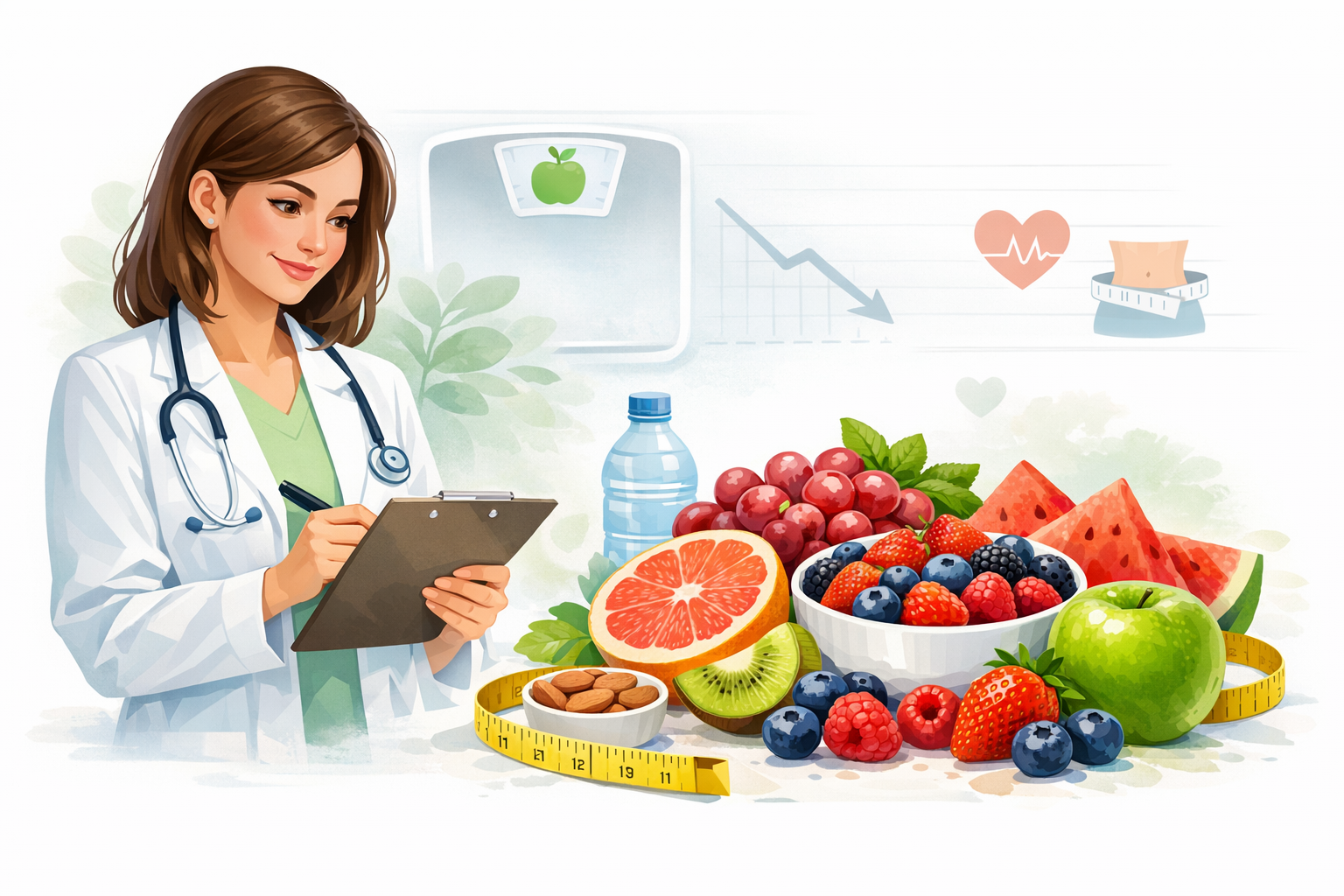
If you want to eat lighter without feeling hungry, fruit is one of the most reliable tools you can use. This guide breaks down the Best Fruits for Weight Loss, why they work, how much to eat, and simple ways to fit them into everyday meals and snacks. You will also find common pitfalls to avoid and a quick 7-day snack plan to get started.
Why Fruit Helps With Weight Loss
Low Energy Density and High Fiber
Most fruits contain a lot of water and fiber for relatively few calories. That means you can eat satisfying portions while staying in a calorie deficit. Fiber slows digestion, steadies energy, and keeps you fuller for longer, making it easier to manage portions of higher-calorie foods.
Natural Sweetness Without Added Sugar
Fruit delivers natural sugars wrapped in nutrients, water, and fiber—very different from refined sweets. Reaching for fruit when cravings strike can help you reduce added sugars and total calories while still feeling satisfied.
Micronutrients That Support Metabolism
Vitamins, minerals, and polyphenols in fruit help reduce oxidative stress and support overall metabolic health. When your body feels nourished, hunger and cravings often become more manageable.
The Best Fruits for Weight Loss
Apples
Apples are portable, crunchy, and rich in pectin, a type of soluble fiber linked to fullness. A medium apple provides around 95 calories with 4–5 grams of fiber.
- Why it works: High fiber and water for strong satiety.
- Best ways: Slice with cinnamon; pair with a thin smear of peanut butter for staying power.
- Portion idea: 1 medium apple or 1 cup sliced.
Berries (Strawberries, Blueberries, Raspberries, Blackberries)
Berries are nutrient powerhouses with antioxidants and lots of fiber for very few calories. One cup of strawberries is about 50 calories; raspberries offer 8 grams of fiber per cup.
- Why it works: Very low calorie density plus high fiber.
- Best ways: Top Greek yogurt or oatmeal; blend into a smoothie with a protein base.
- Portion idea: 1–2 cups fresh or frozen.
Grapefruit
Grapefruit is hydrating and moderately low in calories. Its gentle bitterness can reduce the desire for overly sweet foods.
- Why it works: High water content may help appetite control.
- Best ways: Halved with a sprinkle of cinnamon; add segments to salads.
- Portion idea: Half to one medium grapefruit.
Note: Grapefruit can interact with certain medications. If you take prescription drugs (such as some statins), consult your healthcare provider before adding it regularly.
Pears
A ripe pear delivers a juicy bite with impressive fiber—around 6 grams in a medium fruit.
- Why it works: Soluble fiber promotes fullness and steadier energy.
- Best ways: Dice into cottage cheese; poach lightly with spices as a dessert swap.
- Portion idea: 1 medium pear.
Oranges and Other Citrus
Oranges, clementines, and mandarins are portion-controlled by nature and very hydrating. A medium orange has roughly 60–70 calories and over 3 grams of fiber.
- Why it works: The act of peeling and eating segments slows you down, helping you notice fullness.
- Best ways: Keep a few on hand for on-the-go snacks; add segments to grain bowls.
- Portion idea: 1 medium orange or 2 small clementines.
Kiwi
Kiwi brings tangy sweetness, vitamin C, and both soluble and insoluble fiber. It’s also easy to portion—two small kiwis make a perfect snack.
- Why it works: Fiber and natural enzymes may support comfortable digestion.
- Best ways: Scoop with a spoon; add to yogurt parfaits.
- Portion idea: 1–2 kiwis.
Watermelon and Melon
Watermelon, cantaloupe, and honeydew are extremely hydrating and low in calories per cup. They’re ideal for satisfying sweet cravings with volume.
- Why it works: High water content raises fullness with minimal calories.
- Best ways: Cube and chill; blend into a mint-lime slush with ice.
- Portion idea: 1–2 cups cubed.
Peaches and Plums
Stone fruits deliver sweetness with modest calories and helpful fiber. They’re excellent summer swaps for pastries and ice cream.
- Why it works: Naturally sweet, portion-controlled, and satisfying.
- Best ways: Grill and sprinkle with cinnamon; slice over cottage cheese.
- Portion idea: 1 medium fruit.
Bananas (Slightly Green)
Bananas are often misunderstood. Slightly green bananas contain resistant starch, which behaves like fiber and can support fullness. Ripe bananas are still fine—just watch portions.
- Why it works: Resistant starch and potassium support satiety and workout recovery.
- Best ways: Slice onto whole-grain toast with a thin smear of nut butter.
- Portion idea: 1 small to medium banana.
Pomegranate
Pomegranate arils offer crunch, antioxidants, and fiber in small, flavorful bites—great for mindful snacking.
- Why it works: Intense flavor satisfies with small portions.
- Best ways: Sprinkle over salads, yogurt, or oats.
- Portion idea: 1/2 cup arils.
How to Use the Best Fruits for Weight Loss
Portions and Timing That Support Satiety
- Standard portion: 1 cup chopped fruit or 1 medium whole fruit.
- Snack sweet-spot: 1 fruit plus protein (Greek yogurt, cottage cheese, nuts) between meals.
- Pre-workout: Banana, orange, or berries for quick energy without heaviness.
- Evening cravings: High-volume, low-calorie picks like berries or melon.
Smart Pairings for Balanced Blood Sugar
- Fruit + protein: Apple with string cheese; berries with Greek yogurt.
- Fruit + healthy fat: Pear with a few walnuts; orange with a handful of almonds.
- Fruit + fiber: Add chia or flax to fruit bowls and smoothies.
Budget, Prep, and Storage Tips
- Buy in season or frozen: Frozen berries and mango are just as nutritious and often cheaper.
- Prep once, eat all week: Wash, dry, and portion fruit into containers to make the healthy choice the easy choice.
- Keep visible: Store washed fruit at eye level in the fridge; keep oranges and apples in a bowl on the counter.
Common Mistakes to Avoid
- Juices over whole fruit: Juice removes fiber and concentrates calories. Choose whole fruit or smoothies with fiber and protein.
- Dried fruit in large amounts: It’s healthy but calorie-dense. Stick to small portions (about 2 tablespoons) or choose fresh fruit instead.
- Fruit-only meals: Pair fruit with protein or healthy fat to feel full and keep energy steady.
- Mindless nibbling: Eating fruit straight from a large container can lead to overeating. Portion it out first.
7-Day Fruit-Forward Snack Plan
Use these ideas as plug-and-play options. Adjust portions to your needs, and pair with water or unsweetened tea.
- Day 1: 1 medium apple + 2 tablespoons peanut butter.
- Day 2: 1 cup raspberries + 3/4 cup plain Greek yogurt + cinnamon.
- Day 3: 1 orange + 10–12 almonds.
- Day 4: 2 kiwis + 1 cheese stick.
- Day 5: 1 cup watermelon + 1 ounce feta + mint.
- Day 6: 1 small banana (slightly green) + 1 tablespoon almond butter.
- Day 7: 1/2 cup pomegranate arils over 3/4 cup cottage cheese.
Practical Benefits You’ll Notice
- Fewer cravings: Fiber and water increase fullness, making sweets easier to pass up.
- Better portion control: Naturally modest serving sizes help keep calories in check.
- More nutrient density: Vitamins, minerals, and antioxidants support overall health while you lose weight.
- Convenience: Many fruits are grab-and-go and require little prep.
Conclusion
The Best Fruits for Weight Loss combine low calorie density, high fiber, and satisfying flavor. Focus on apples, berries, grapefruit (with medication caution), pears, citrus, kiwi, melon, stone fruits, bananas (slightly green), and pomegranate. For the biggest impact, eat whole fruit in sensible portions and pair it with protein or healthy fat. Keep your kitchen stocked, prep in advance, and use the 7-day plan to build momentum. With the right choices, fruit can make your weight-loss plan simpler, tastier, and more sustainable.