Can I ever drink alcohol again with fatty liver?
 Understanding Fatty Liver Disease
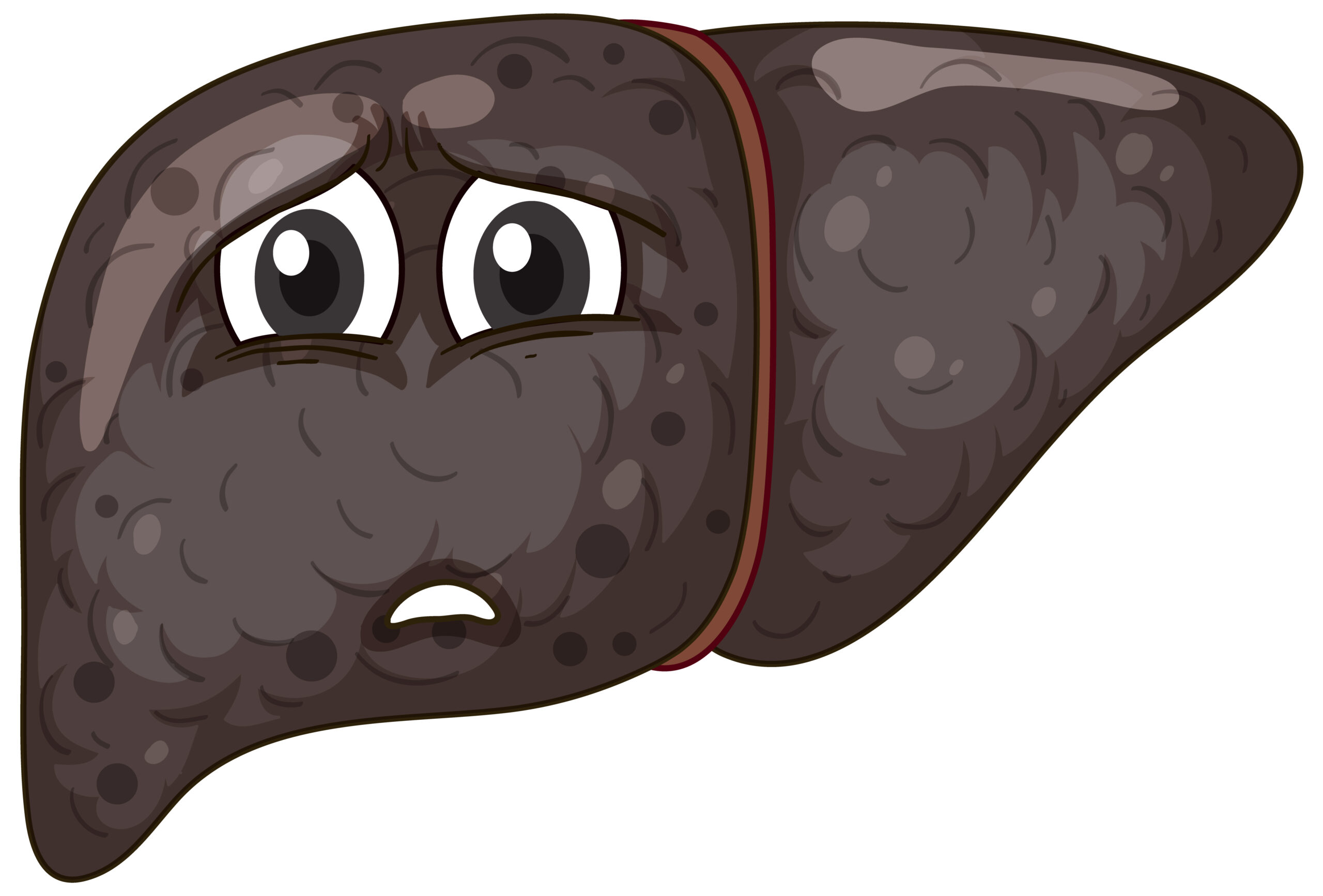
Fatty liver disease, also known as hepatic steatosis, occurs when fat builds up in the liver. There are two main types: alcoholic fatty liver disease (AFLD) and non-alcoholic fatty liver disease (NAFLD). Both conditions can lead to liver inflammation, fibrosis, and potentially cirrhosis or liver failure if left untreated.
 The Role of Alcohol in Fatty Liver Disease
Alcohol consumption is a primary cause of AFLD. Even moderate drinking can exacerbate liver damage in individuals with this condition.
 For those with NAFLD, alcohol can still be harmful because:
 The liver is already under stress Alcohol increases fat accumulation Detoxification becomes harder
Drinking alcohol adds extra burden and slows recovery
 Assessing Your Condition
Before deciding whether to drink alcohol again, it’s essential to understand your liver health.
Doctors may use:
Blood tests Imaging (ultrasound, MRI) Liver biopsy (in some cases)
Always consult your healthcare provider for personalized advice
 Can You Drink Alcohol Again?
 Mild Fatty Liver Disease
If your condition is mild and there is no major liver damage:
Your doctor may allow limited alcohol intake Moderate drinking = up to 1 drink/day (women), 2 drinks/day (men)
However, this varies from person to person
 Advanced Fatty Liver Disease
If you have severe liver damage or cirrhosis:
Complete avoidance of alcohol is recommended Even small amounts can worsen the condition Risk of liver failure and cancer increases
In advanced stages, alcohol should be strictly avoided
 Lifestyle Changes and Management
Regardless of your condition, lifestyle changes are essential
 Diet
Diet
Eat fruits, vegetables, lean proteins, and healthy fats Avoid sugar, processed foods, and refined carbs
 Exercise
Regular physical activity helps reduce liver fat Improves metabolism and overall health
 Weight Management
Losing 5–10% body weight can improve liver function
 Avoid Toxins
Limit harmful medications and substances Reduce exposure to environmental toxins
 Support Your Liver Naturally
Supporting your liver can help improve recovery and overall function
Explore effective options here
Best fatty liver supplements for liver detox and support
Natural support may help improve metabolism and liver function
Top supplements for fatty liver health and recovery
 Monitoring and Follow-Up
Regular monitoring is essential to track progress
Important Steps
Routine blood tests Doctor consultations Tracking liver function over time
This helps adjust treatment and prevent complications
 Conclusion
Deciding whether you can drink alcohol again depends on the severity of your fatty liver disease and your doctor’s advice.
Key Takeaways
Mild cases may allow limited alcohol intake Advanced cases require complete avoidance Lifestyle changes are essential for recovery Regular monitoring improves outcomes
 Bottom Line
Your liver health should always come first
Avoid unnecessary risks Follow medical advice Support your liver with healthy habits

Vishal Verma
Vishal Verma is a health blogger and founder of NutriActive.org. He specializes in topics like fatty liver, weight loss, nutrition, and natural remedies. His goal is to provide simple, research-based health information to help people improve their lifestyle and overall well-being.